
Russian River Ferry
Hours, cost, parking, bear safety, and what to expect at Alaska's most famous sockeye salmon confluence.
Ferry typically runs June 1 – August 31, 6:00 AM – 11:00 PM daily. Confirm with Russian River Campground: 907-595-1600
What Is the Russian River Ferry?
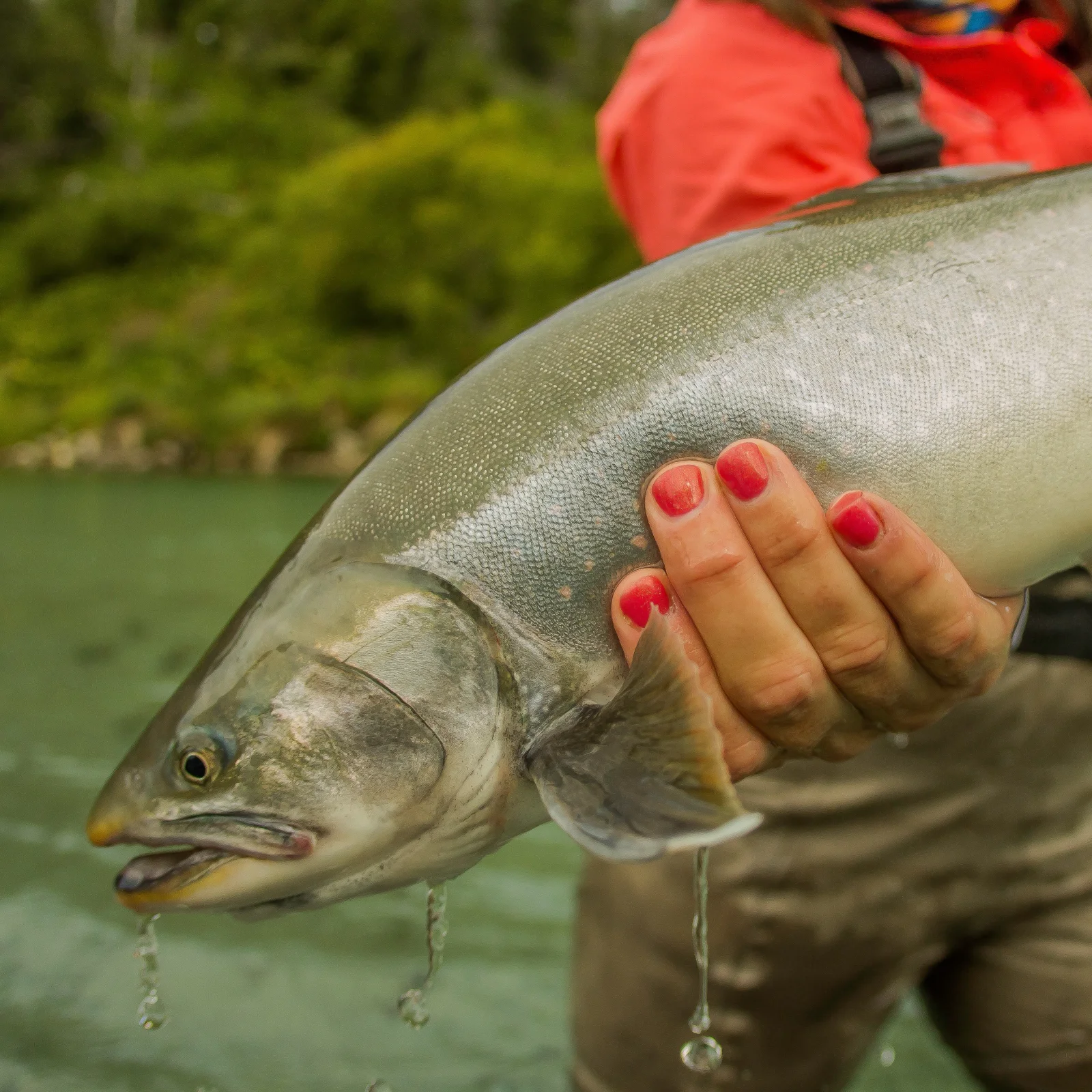
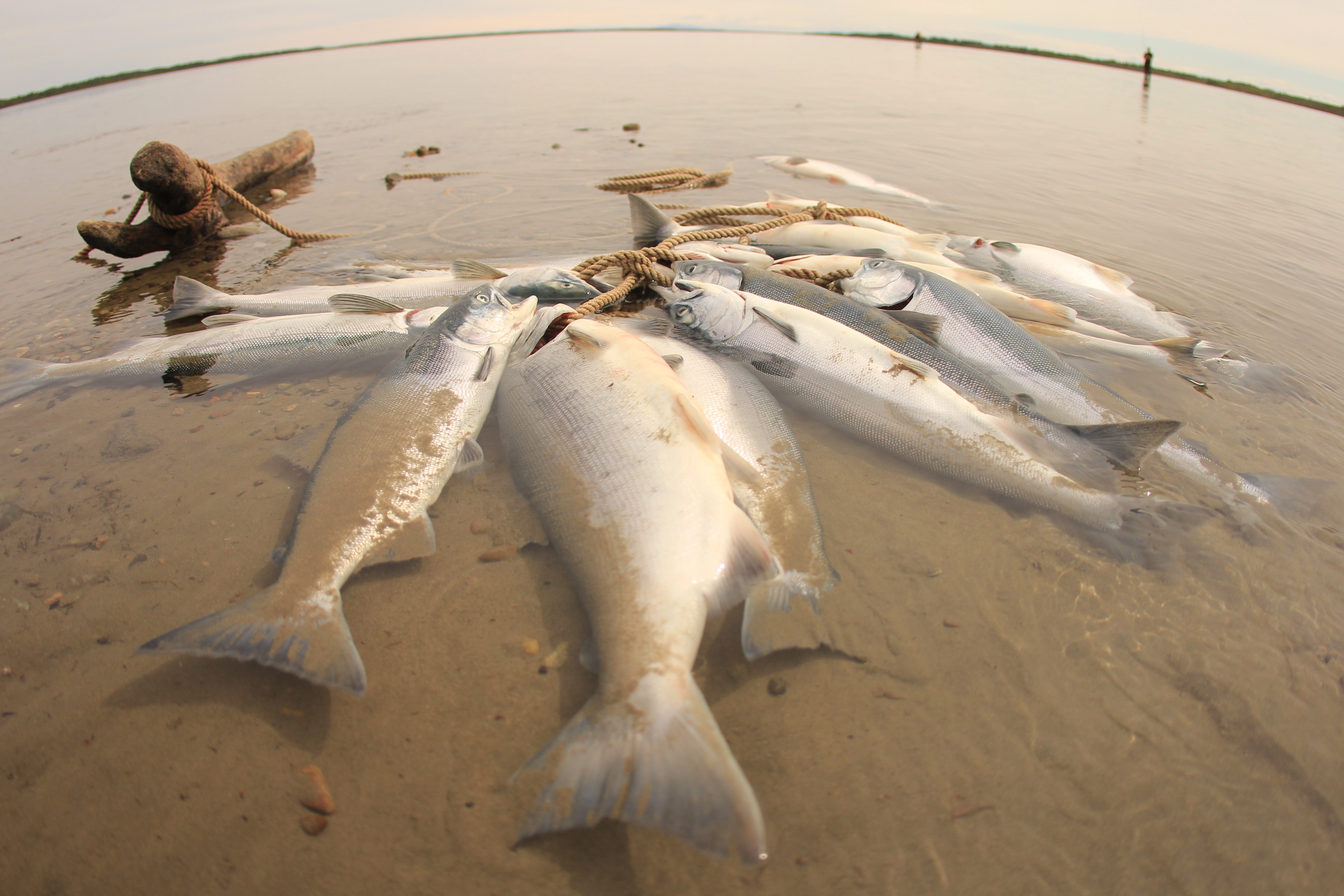
The Russian River Ferry is a hand-operated cable ferry that transports anglers across the Kenai River to the Russian River confluence — one of Alaska's most productive and famous sockeye salmon fishing spots. Operated by the USDA Forest Service through a concessionaire, the ferry runs exclusively during peak sockeye season when fish stacks up at the confluence before pushing up the Russian River to spawn.
Without the ferry, reaching the confluence requires a very long trail hike. The ferry makes the fishery accessible — which is why it draws hundreds of anglers on peak July days.
How to Get There
Take the Sterling Highway (AK-1) to milepost 52.6 near Cooper Landing.
Turn into Russian River Campground. Pay the day-use or camping fee at the kiosk ($20–25).
Walk to the ferry staging area — follow the signed trail from the main parking area (~5–10 min walk).
Pay the ferry fee (~$12/person round trip) and cross. The ferry operator will assist you.
Fish the confluence! Return on the ferry before 11 PM (last crossing).
🐻 Bear Safety — Not Optional
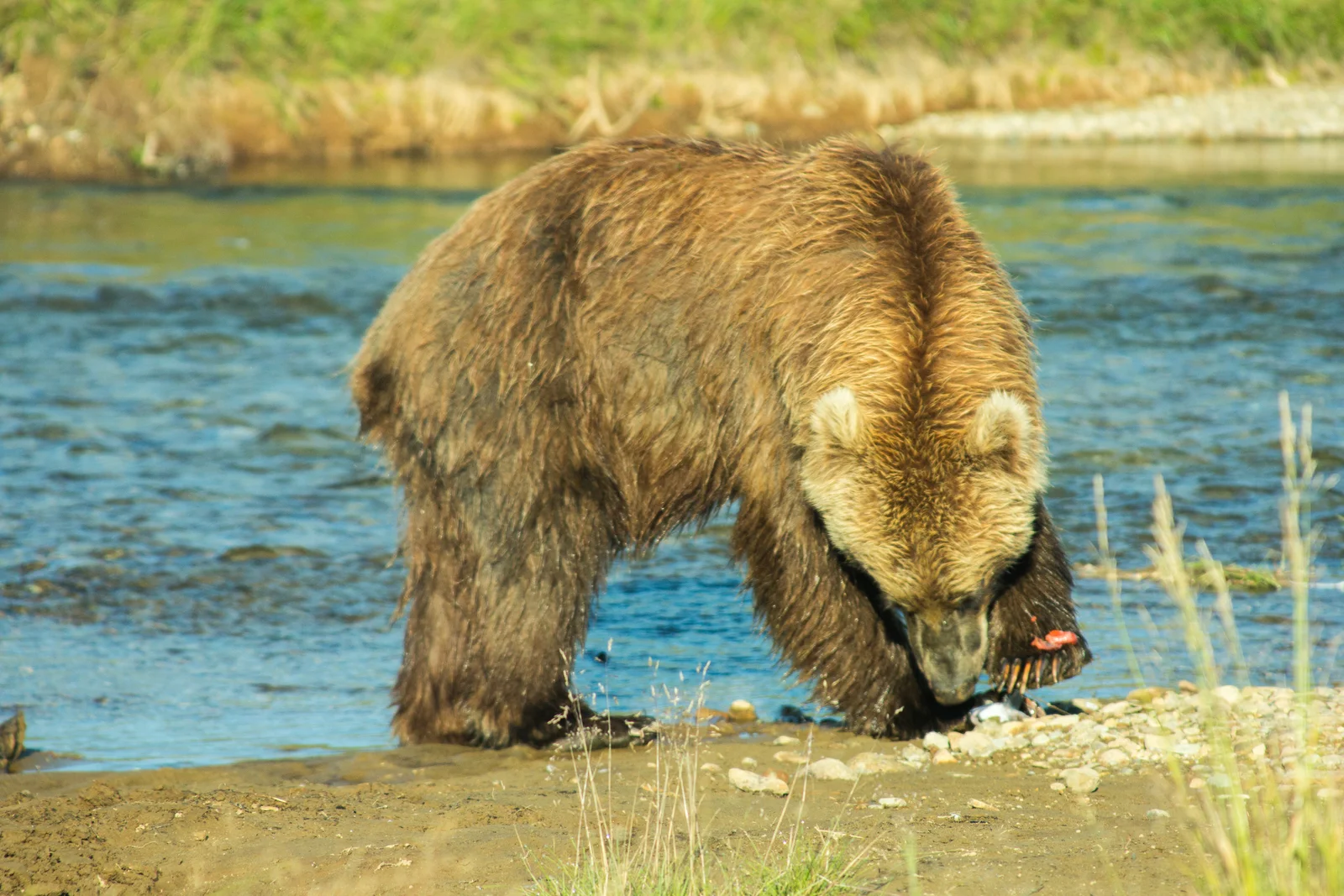
Brown (grizzly) bears are extremely active at the Russian River confluence throughout sockeye season. Bears know the run and fish alongside humans at the falls.
- → Bear spray is mandatory — carry it accessible, not in your pack
- → Do not fish alone
- → Give bears wide berth — if a bear approaches the bank, step back
- → Never leave fish unattended on the bank
- → Store all food in your vehicle — not trailside
Fishing at the Confluence
The Russian River confluence is "combat fishing" — hundreds of anglers standing shoulder to shoulder working the slot where two rivers meet. This is Alaska's most visited public fishing access point during July. It is loud, crowded, and incredibly productive when the run is on.
Technique: Fly fishing with single-hook artificial flies is the primary and often required method. The classic "Russian River flip" involves casting upstream and allowing the fly to swing through the current. Most sockeye are taken by snagging on the hook rather than actively biting — which is legal here under ADF&G regulations when using a single hook.
Early Run
Mid-June through early July. First push of sockeye. Less crowded than peak.
Late Run (Peak)
Mid-July through early August. Massive numbers. Most crowded. Best counts.
Method
Fly fishing, single barbless hooks. Russian River flip or drift techniques.
Regulations
Check ADF&G emergency orders daily. Bag limits change in-season. C&R for rainbow trout.
Frequently Asked Questions
Is the Russian River Ferry running in 2026?
How much does the Russian River Ferry cost?
Where do I park?
Do I need a fishing license?
Is it worth going vs. hiring a guide?
Prefer More Water, Fewer Crowds?
Our guided trips on the Kenai and Kasilof rivers put you on fish-stacked water with a licensed guide, all gear provided, and no combat fishing required. Same species — better experience.
Book a Guided Trip →