


Tides & Salmon Migration
How Tide Swells and Moon Cycles Move Kenai Salmon
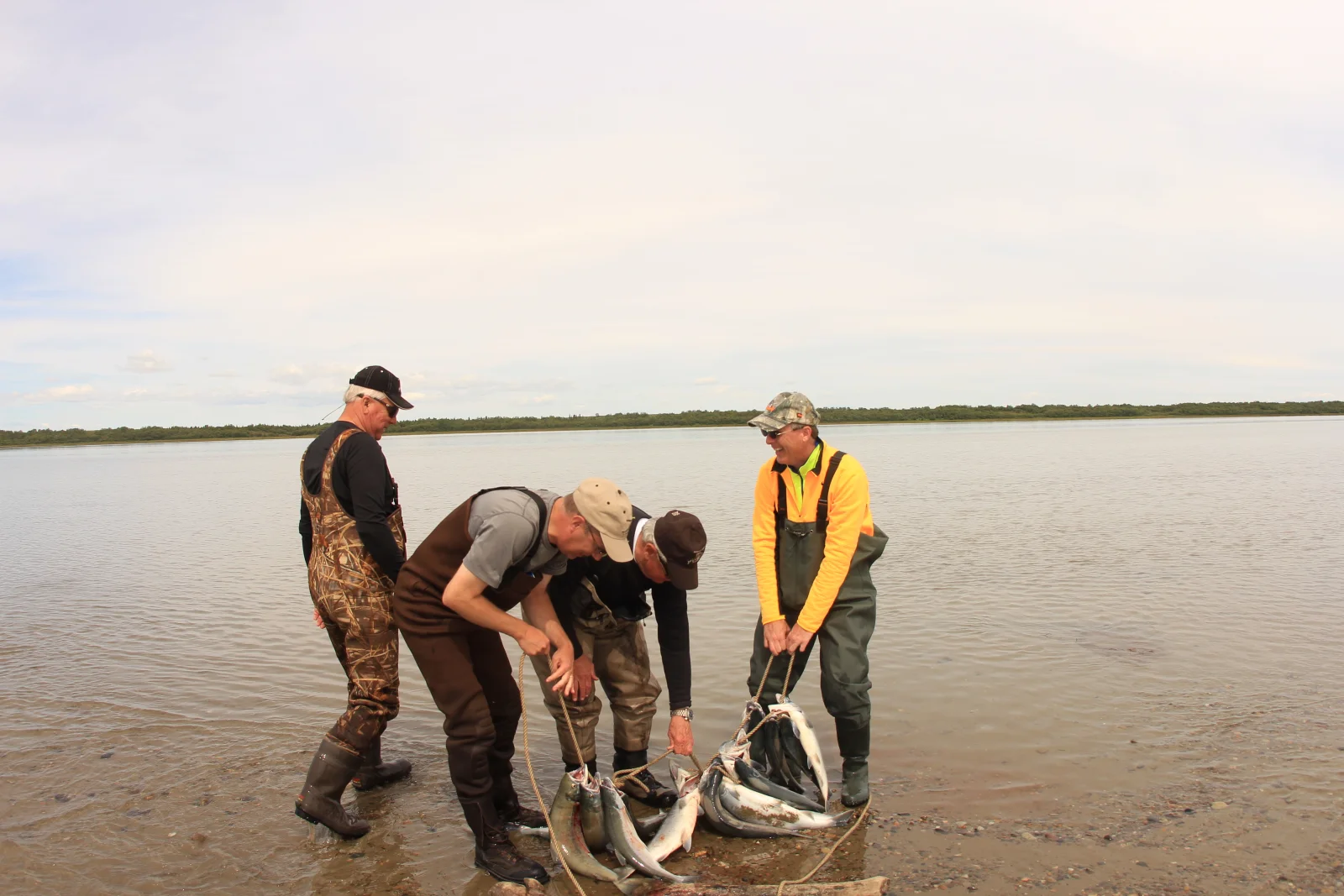
Salmon do not enter the Kenai River at a steady daily rate. Instead, their movement is heavily dictated by tidal currents, lunar cycles, and incoming wind swells at the mouth of Cook Inlet.
The Flood Tide Express
As the flood tide enters Cook Inlet, it pushes massive volumes of saltwater up the Kenai River channel. Salmon utilize this incoming current to conserve energy, riding the tide upriver. The best lower river fishing often occurs 2 hours before to 2 hours after high tide.
Spring Tides vs Neap Tides
During full and new moons (spring tides), water level differences are at their highest. These extreme high tides push larger pods of fresh salmon past the sonar counters, leading to sudden spikes in daily run counts.
Frequently Asked Questions
Q: What tide is best for salmon fishing on the Kenai River?
A: The incoming flood tide is generally the best. Salmon use the rising water to travel upstream, making them active and concentrated.
Q: How far upriver does the tide affect fishing?
A: The tidal influence extends up to river mile 12, just below the Soldotna area. Above this point, current is entirely freshwater and uni-directional.
Related Guides
Ready to Fish with Ian McDonald?
Our expert, fully licensed guides handle the boat, coordinate gear, waders, and clean your catch. You just fish.
Book Your Trip →