

Flipping Sockeye in Fast Current
How to Intercept Kenai Reds When the Current Screams
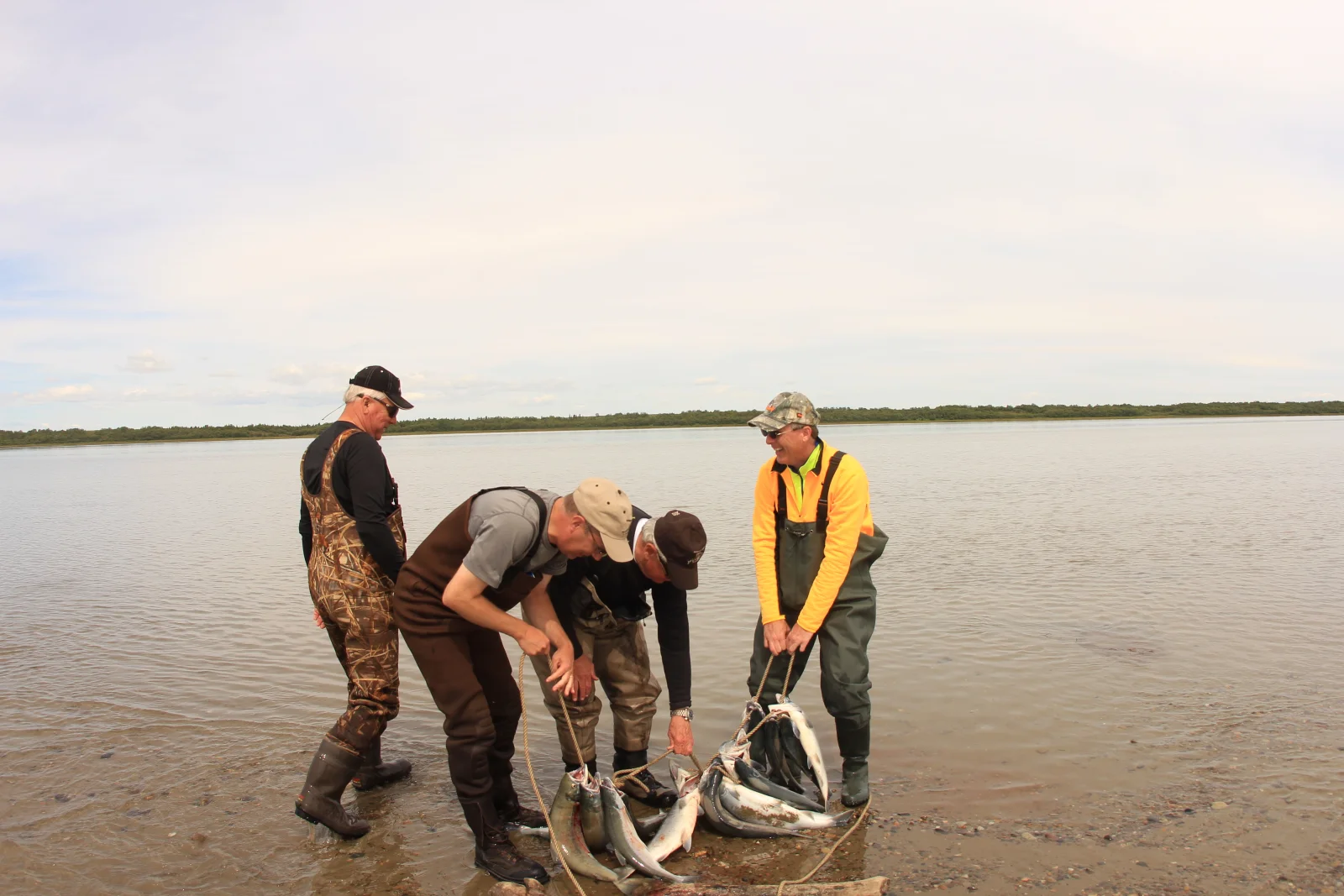
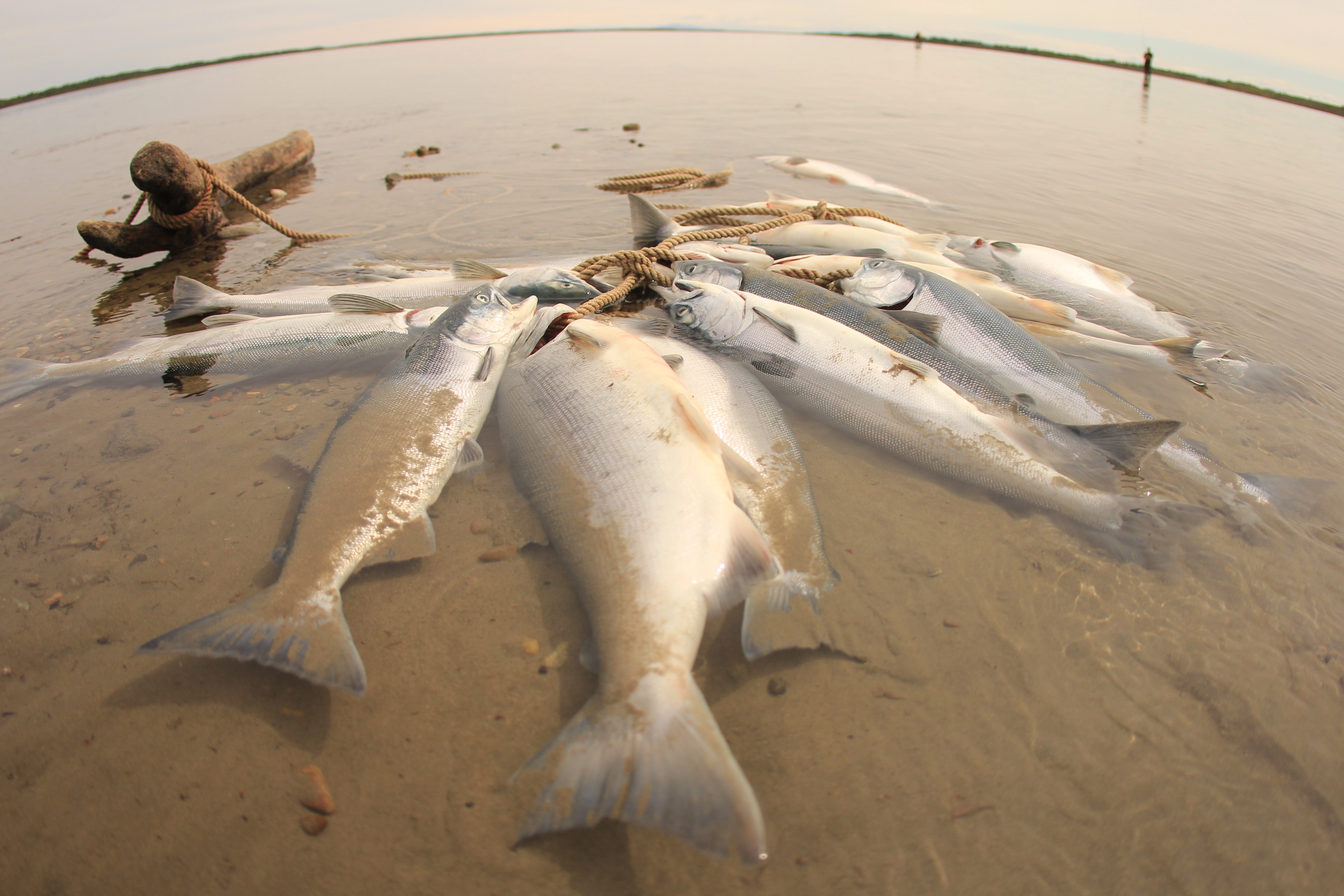
When sockeye salmon run the Kenai River, they stick to the bank where the current is slowest. But when water levels rise, finding the right presentation requires precise weight and angle adjustments.
1. Master the Drag-Free Drift
If your lead bounces too fast, you miss the fish. If it drags, you snag the bottom. In fast current, adjust your weight by 1/8-ounce increments until you feel a soft tap-tap-tap every 18 inches of drift.
2. The 45-Degree Rule
Never cast straight out in fast water. Flip your line at a 45-degree angle upstream. This allows the weight to reach the bottom just as the line becomes perpendicular to you, maximizing your hook-up zone.
3. Shorten Your Leader
In slow water, a 9-foot leader is standard. In fast, turbid current, shorten your leader to 5–6 feet of 25-pound fluorocarbon. This keeps your fly tracking close to the lead and in the sockeye's path.
Frequently Asked Questions
Q: What is the best weight for flipping sockeye?
A: The optimal weight varies from 1/4 ounce to 3/4 ounce depending on water speed. Adjust until you feel a light tap on the gravel every second.
Q: Should I use bait for sockeye?
A: No, sockeye do not actively feed in fresh water. They are caught using the flipping method where the line slides through their open mouths as they breathe.
Related Guides
Ready to Fish with Ian McDonald?
Our expert, fully licensed guides handle the boat, coordinate gear, waders, and clean your catch. You just fish.
Book Your Trip →