

Sockeye Salmon Kenai River
Kenai River Sockeye Salmon: What Every Angler Needs to Know in 2026
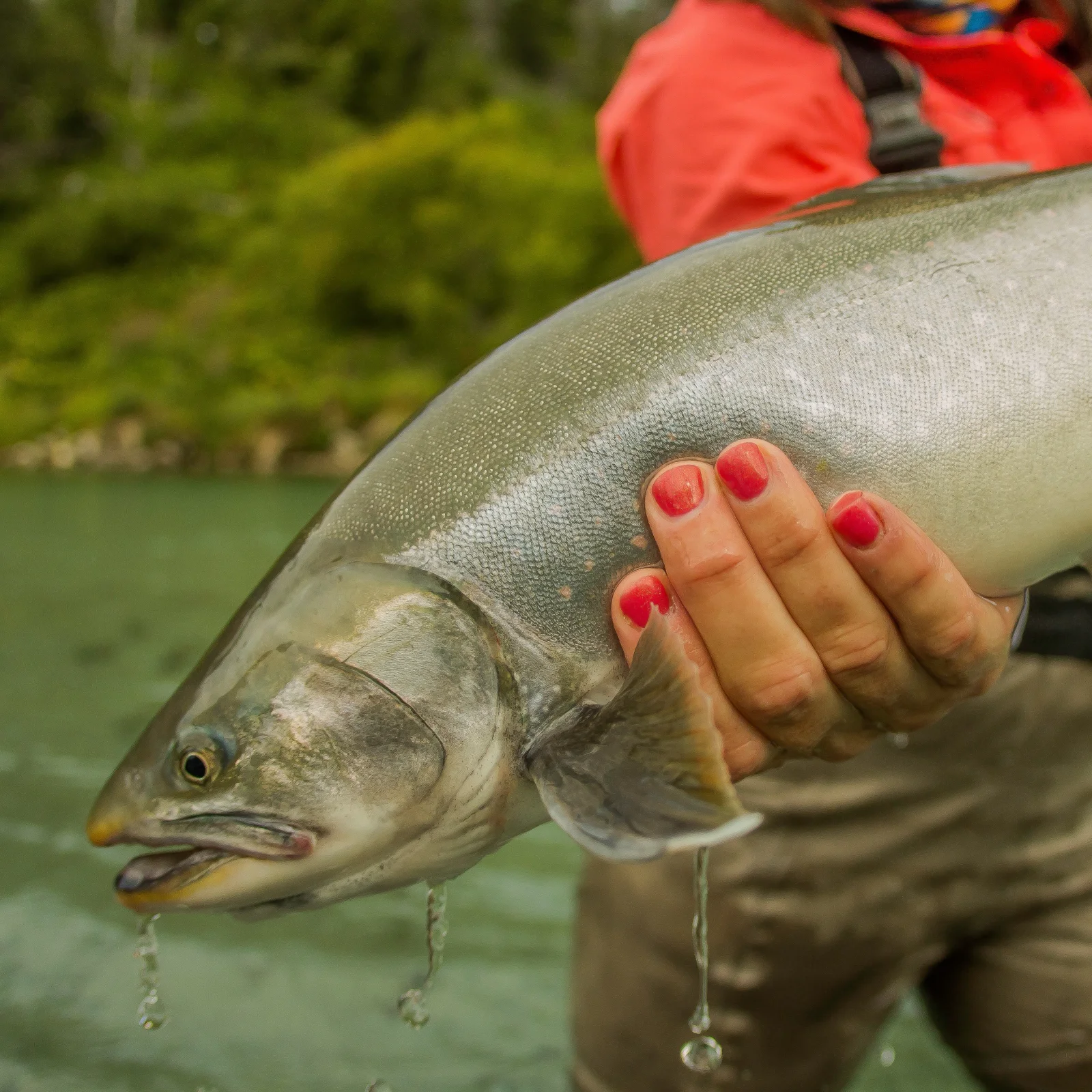
The Kenai River hosts two sockeye salmon runs each year — the early run (May–July) and the late run (July–August) — and together they represent one of the largest sockeye fisheries in the world. Understanding the difference between the two runs is the single biggest factor in planning a successful trip.
Early Run vs Late Run Sockeye
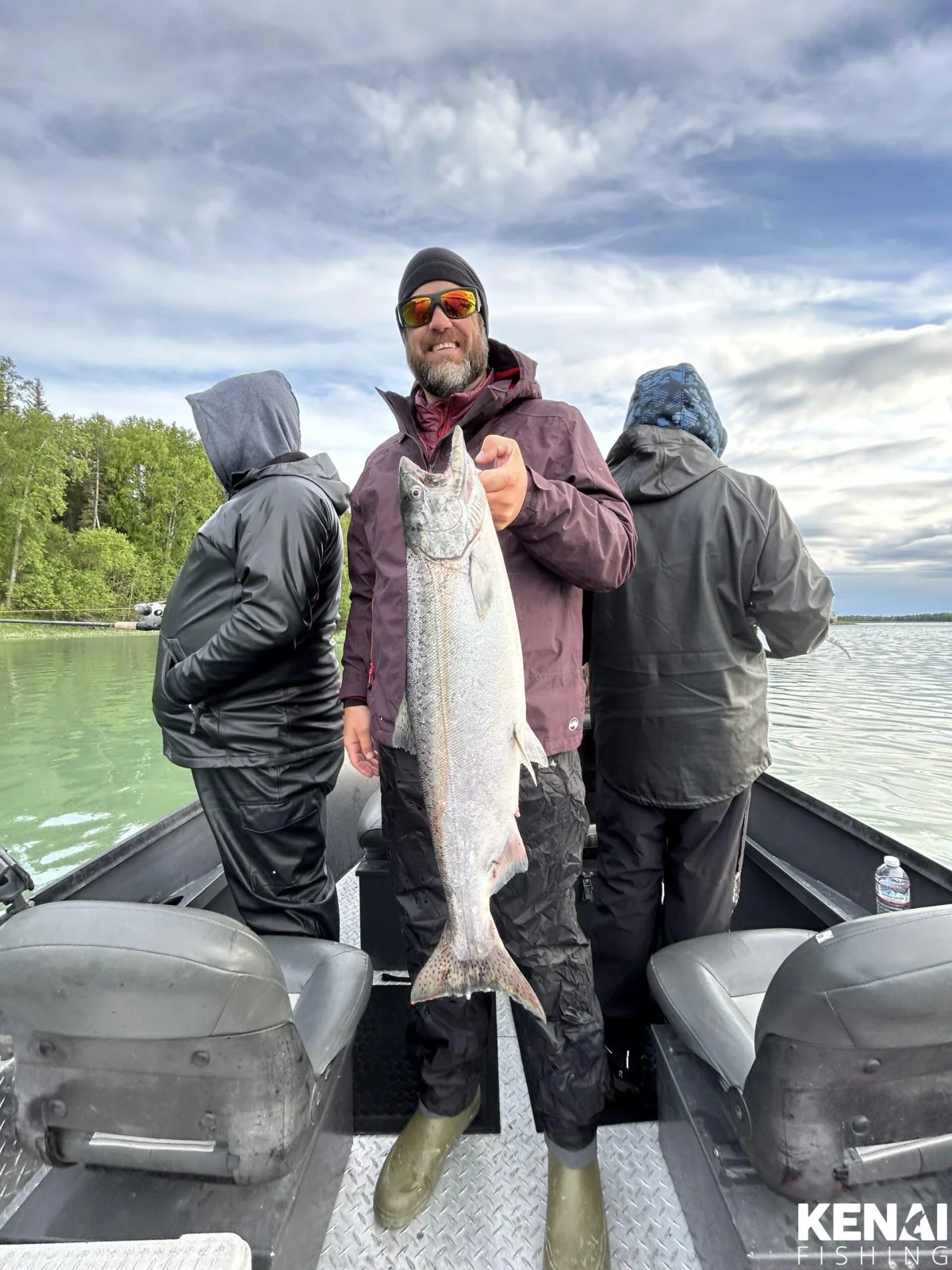
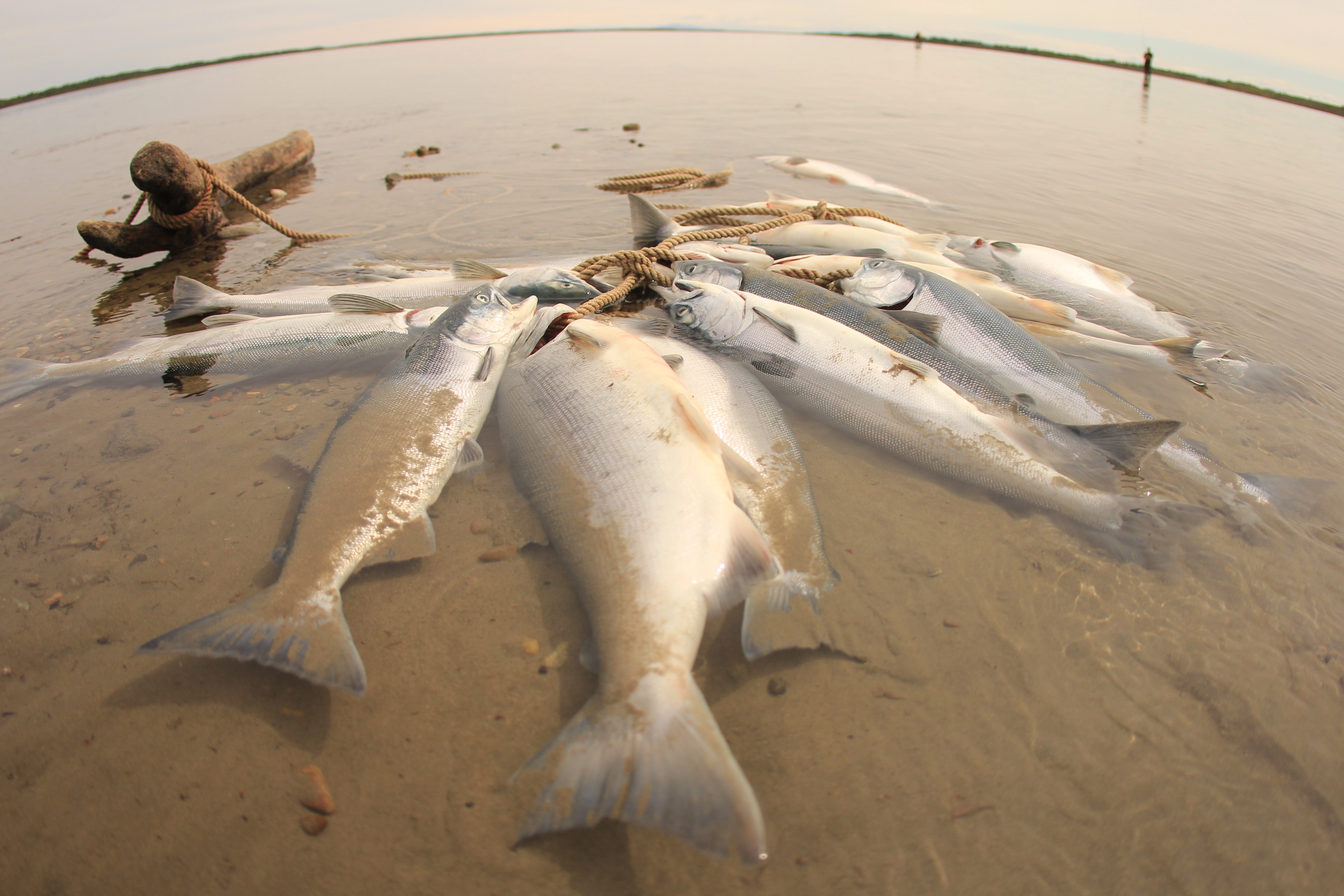
Early-run sockeye peak through the Kenai in late June. Late-run fish, which are larger and more numerous, surge through in mid to late July. Most anglers targeting limits should plan around the late run — daily limits are typically 3 fish per person, with a season limit of 9.
Best Gear for Kenai Sockeye
Sockeye are notoriously difficult to hook on artificial lures because they do not actively feed in fresh water. The most effective method is the "flipping" or "combat fishing" technique using a weighted fly, typically a red, pink, or chartreuse pattern tied on a single barbless hook. A 9-foot medium-action spinning rod with 10–15 lb monofilament is standard.
Top Locations on the Kenai
Soldotna Bridge, Centennial Park, and the confluence of the Russian River are the most productive bank access points. Drift boat fishing with a guide provides access to holding water that bank anglers can't reach — particularly in the upper river above Skilak Lake.
Related Guides
Ready to Fish the Kenai River?
Our licensed guides handle everything — boat, gear, waders, fish cleaning. All you need to do is show up and fish.
Book Your Trip →