

Packing & Freezing Salmon for Airline Travel
How to Pack, Freeze & Vacuum Seal Salmon for Airline Travel
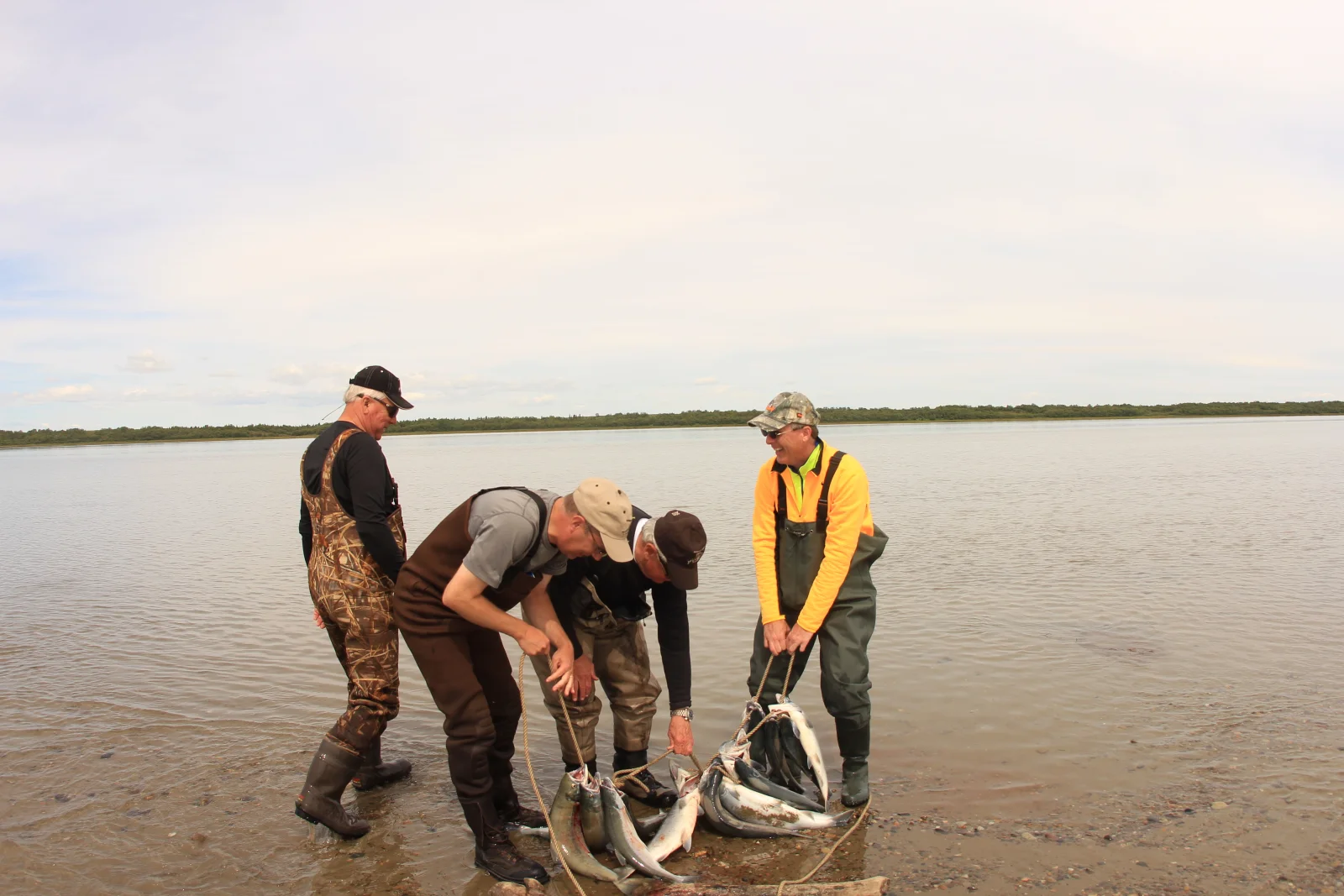
Bringing your wild Alaskan salmon home in peak condition requires proper fillet handling, heavy-duty 4-mil vacuum sealing, commercial flash-freezing, and airline-approved insulated packing. Follow this guide to ensure your catch arrives rock-solid at your home freezer.
Step 1: Bleeding, Filleting & Drying
Quality preservation starts on the boat. Salmon must be bled immediately upon harvest by cutting a gill arch while in cold river or salt water. Once at the fillet table:
- Fillet the salmon cleanly, removing pin bones and belly fat if desired.
- Rinse lightly with cold water or clean brine, then pat fillets completely dry with paper towels. Excess water creates ice crystals inside vacuum bags and weakens seals.
- Portion fillets into meal-sized cuts (1–2 lb portions).
Step 2: Vacuum Sealing (4-Mil Heavy Pouches)
Standard grocery-store zipper bags are not suitable for airline travel or long-term freezer storage. Use commercial-grade chamber or suction vacuum sealers with 4-mil heavy-duty textured pouches.
- Double-seal the ends of each bag to prevent leaks during altitude pressure changes.
- Ensure no oil or liquid residue touches the heat-sealing surface of the bag before sealing.
- Label each bag with species (e.g. Sockeye, Coho) and date.
Step 3: Commercial Flash-Freezing (-20°F)
Home residential freezers cool slowly, causing large ice crystals to form that tear cell walls and compromise fish texture. Local Soldotna processors (such as Tanner's, Echo Lake Meats, or Custom Seafoods) place sealed fillets in commercial blast freezers at -20°F to -40°F. Flash freezing freezes fish solid in hours, locking in flavor and cellular integrity.
Step 4: Airline Fish Box Packing Rules
Airlines like Alaska Airlines, Delta, and United accept fish boxes as standard checked baggage when packed properly:
Frequently Asked Questions
Q: How long does frozen salmon stay solid in an airline fish box?
A: Flash-frozen salmon packed tight inside an approved insulated wet-wax box with styrofoam lining stays rock-solid for up to 36–48 hours of transit time.
Q: Do guided trips help with fish processing?
A: Yes. All of our guided trips include complimentary fish filleting and bagging at the river dock. We can also transport your catch directly to top-rated Soldotna processors for flash-freezing and airline boxing.
Book Your Alaska Salmon Adventure
Our guides handle the boat, tackle, and dockside fish filleting so you take home pristine salmon fillets.
Book Your Trip →