
Guided Kenai River Fly Fishing Trips 2027
Guided Kenai River Fly Fishing Trips 2027 — 2027 Early Planning Forecast
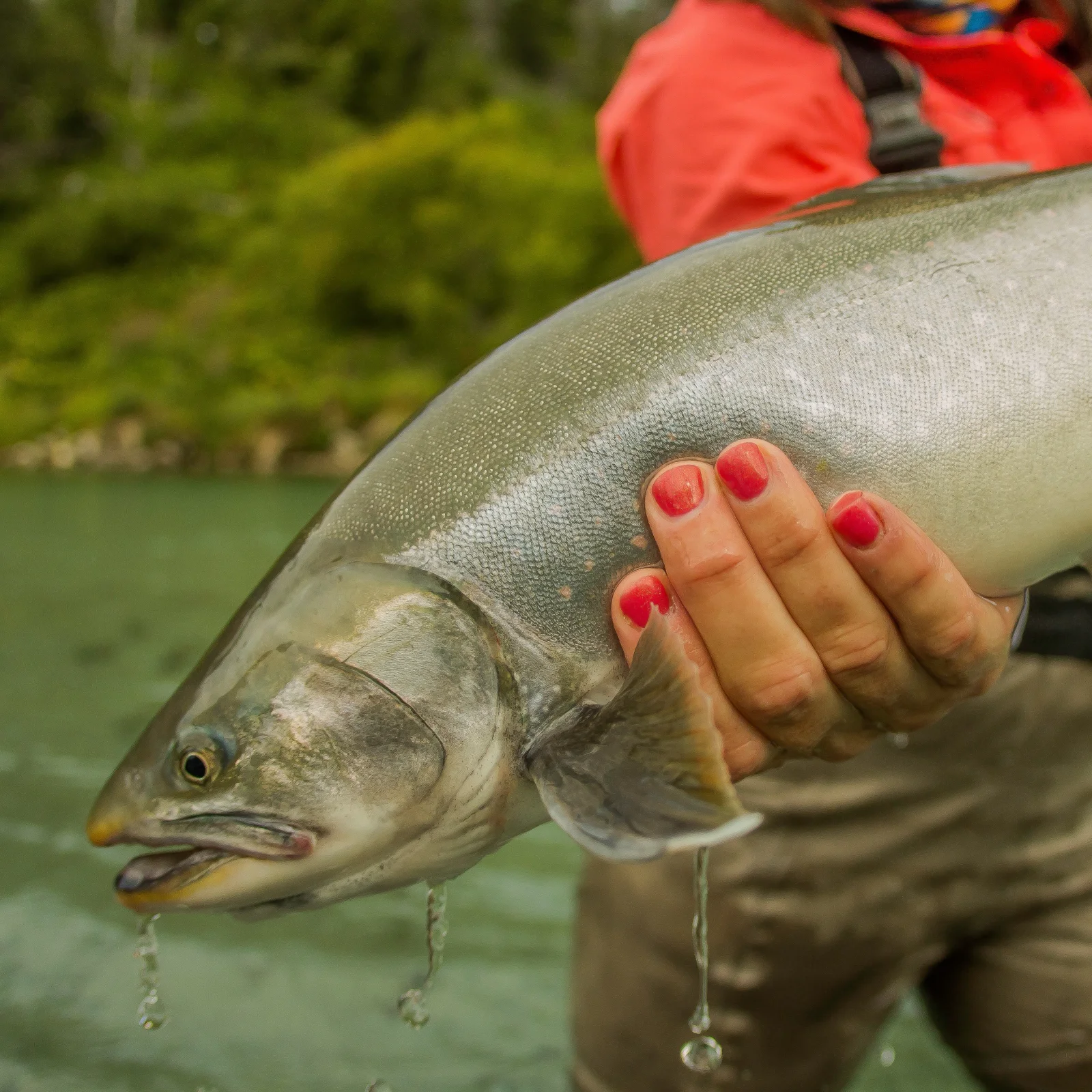
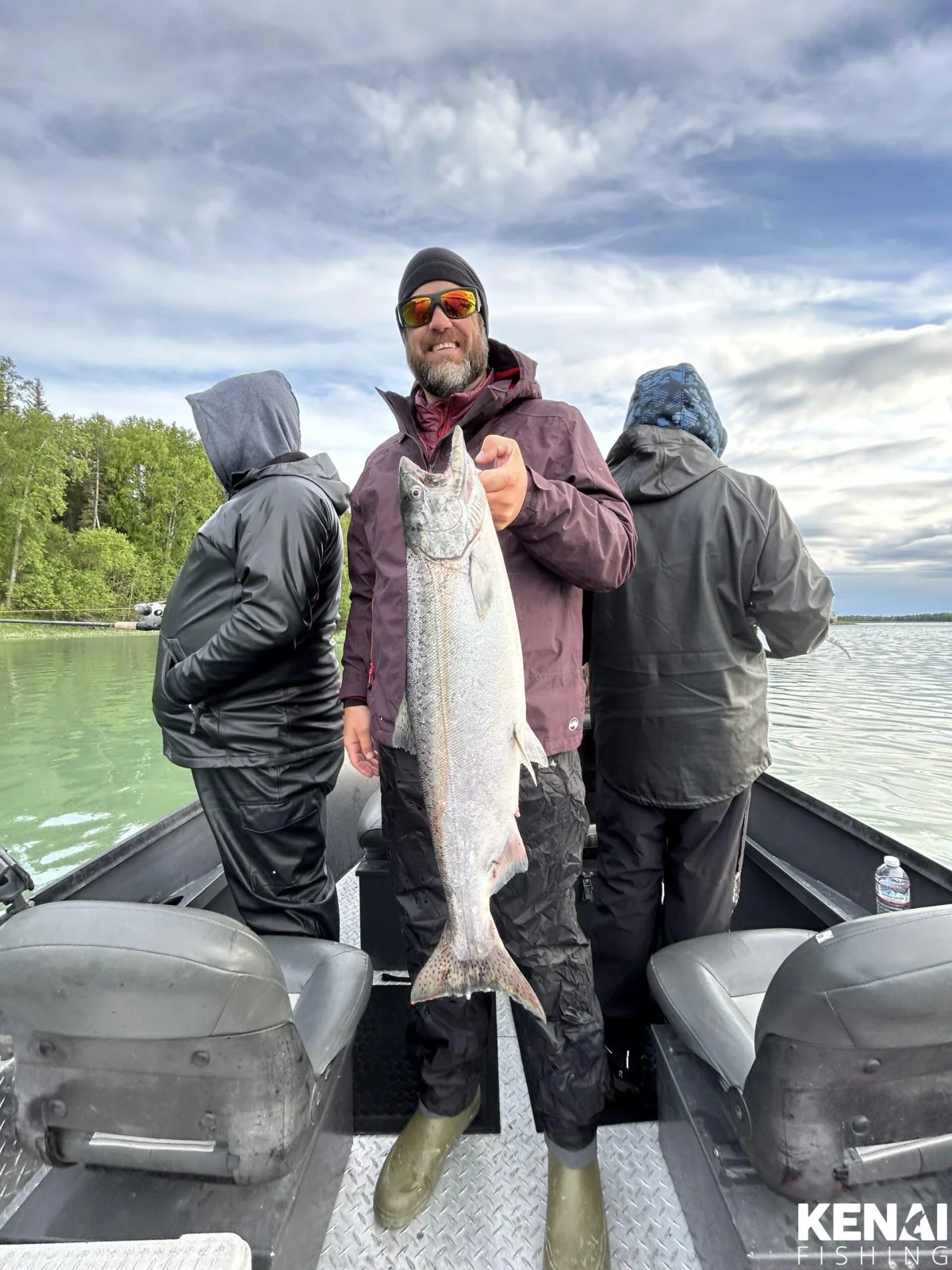
Guided fly fishing on the Kenai River offers access to trophy rainbow trout, Dolly Varden, and sockeye salmon. Learn about our drift boat fly charters for the 2027 season.
⚠️ Official Regulatory Notice
Fisheries management in the Cook Inlet and Kenai Peninsula regions is run in real-time. Biological counts from sonar sites inform conservation orders, but only a published regulation or an official ADF&G Emergency Order (EO) carries the force of law.
- • Kenai River RM 19 Sonar: Measures late-run sockeye passage counts. Located at Soldotna.
- • Kenai River RM 14 Sonar: Assesses King salmon run counts using ARIS sonar.
- • USGS Soldotna Gauge: Measures water temperature, discharge (CFS), and gage height. This gauge does not measure water clarity or turbidity.
- • Angler Responsibility: All anglers remain legally responsible for their own licensing, stamps, harvest record cards, and regulatory compliance. Guides provide advice but cannot assume legal compliance on behalf of clients.
Fly Fishing the Upper River Canyon
The upper section of the Kenai River flows through the Kenai National Wildlife Refuge, culminating in the scenic Kenai River Canyon. This nonmotorized section is the premier fly fishing destination. Guides row drift boats through white-water rapids and deep canyons, targeting trophy trout on dry flies and streamers.
Fly Rod and Reel Configurations
We equip clients with high-end 6-weight rods for trout and dollies, and 8-weight or 9-weight rods for sockeye and silver salmon. Fly reels feature sealed disc drag systems to handle the powerful currents and hard-charging runs of glacial salmon.
What Our Guided Fly Trips Include
All guided charters include waders, boots, rods, reels, and custom flies. Your guide row the boat, provides fly casting instruction, nets your catches, and takes photos. Anglers are responsible for purchasing their sport licenses prior to boarding.
Additional Regional Information & Planning Insights
The Kenai Peninsula, often referred to as "Alaska's Playground," covers over 16,000 square miles of glaciers, mountains, and pristine river valleys. The Kenai River drainage itself originates at Kenai Lake in Cooper Landing and flows 82 miles westward to empty into Cook Inlet at the city of Kenai. The Kasilof River, located just 11 miles south of the Kenai, drains Tustumena Lake and flows 19 miles to Cook Inlet. Both systems are renowned for producing world-record-class sport fishing runs, but they are subject to distinct regulatory boundaries, fish behavior patterns, and tidal influences.
Anglers visiting Southcentral Alaska must realize that weather conditions are highly dynamic. Glacial rivers remain extremely cold year-round, with summer temperatures peaking in the mid-40s to low-50s Fahrenheit. Hypothermia is a serious risk, and wearing proper waders, boots, and wading belts is a mandatory safety measure on all guided trips. Additionally, local state parks manage bank access points to protect fragile riparian vegetation (such as marsh grass and willow banks) from erosion. Anglers must stay on designated elevated walkways or gravel bars to avoid steep fines.
Furthermore, the interaction between commercial, personal use, and sport fisheries is heavily regulated by the Alaska Board of Fisheries. In-season management plans allocate salmon returns among these groups to ensure that escapement goals are met first and foremost. When sockeye runs are strong, commercial gillnetting windows are adjusted, which directly affects the density of fish entering the river on any given day. Staying informed via daily sonar reports and local guide advice is the most effective way to maximize your time on the water.
For lodging, Soldotna serves as a central hub offering everything from luxury riverside lodges to quiet public campgrounds, while Cooper Landing provides cozy log cabins surrounded by the Chugach National Forest. Packing the correct clothing is essential: think synthetic thermal base layers, polar fleece mid-layers, and a heavy-duty waterproof shell jacket. Polarized sunglasses with bronze or copper lenses are highly recommended for tracking fish movements in glacial silt.
Ready to Book for the 2027 Season?
Secure your dream Alaska trip today. Our experienced, licensed guides handle the boats and tackle while helping you fish in full compliance.
Book Your Trip Now