
Alaska Salmon Season 2026
Planning a fishing trip to the Kenai Peninsula requires understanding the distinct migratory runs of King, Sockeye, Coho, and Pink salmon. Below is the comprehensive guide to 2026 run timing, peak windows, bag limits, and official management guidelines for the Kenai and Kasilof River systems.
2026 Salmon Run & Peak Timing Summary
| Species | Run Window | Peak Window | Standard Limit | 2026 Status |
|---|---|---|---|---|
| King Salmon (Chinook) | Late May – July | Mid-June & Mid-July | Closed / No Retention | Closed by Emergency Order |
| Sockeye Salmon (Red) | Mid-June – August | July 10 – July 25 | 3 Daily / 6 Possession | Standard Season (June 20-Aug 15 standard) |
| Silver Salmon (Coho) | August – November | Late Aug & Mid-Sept | 2 Daily (July-Aug), 3 (Sept-Nov) | Standard Regulations Apply |
| Pink Salmon (Humpy) | Late July – August | Mid-August (Even years light) | 6 Daily / 12 Possession | Even Year (Minimal Run) |
King Salmon (Chinook) — 2026 Closed Status
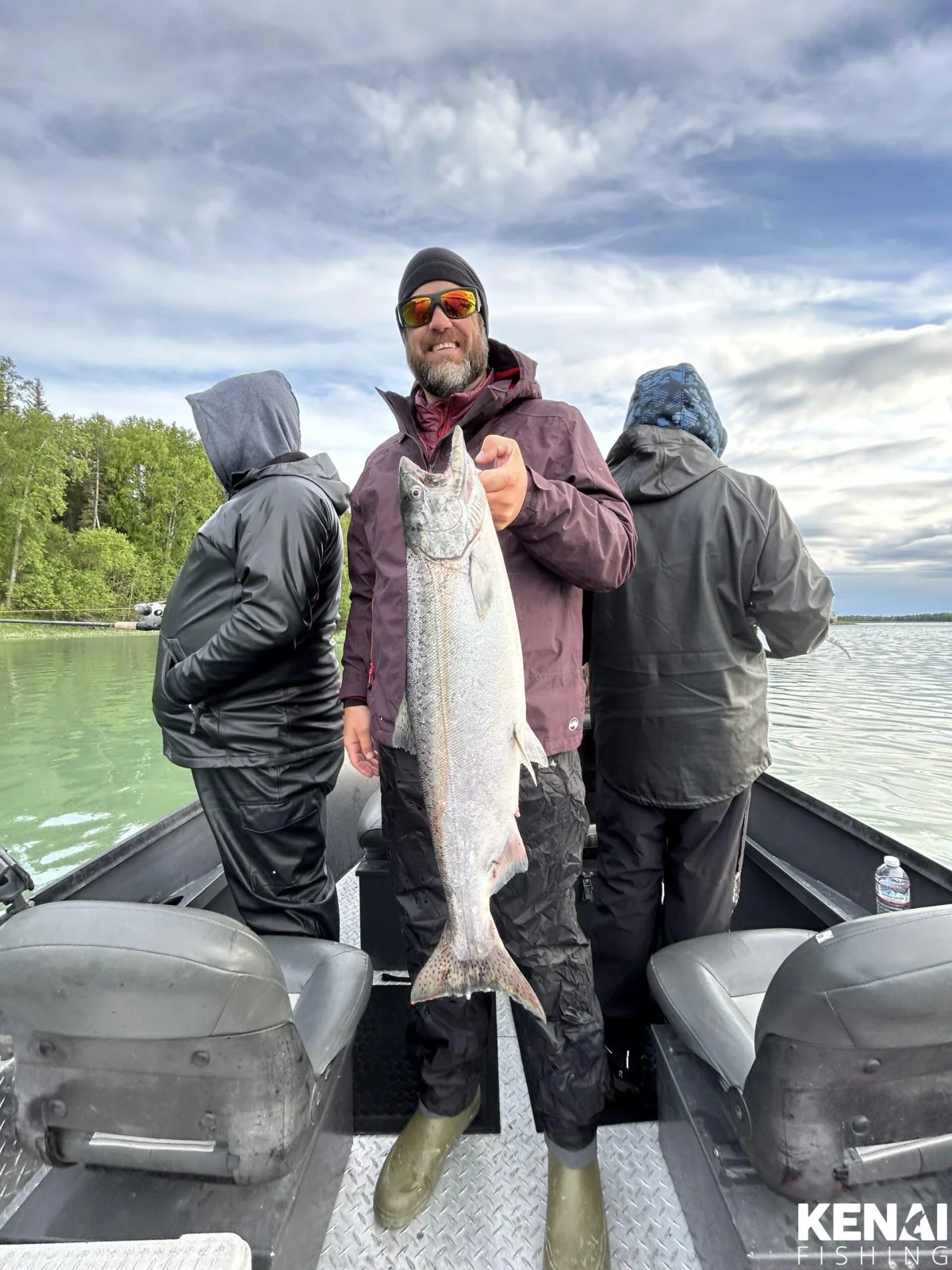
King salmon are the largest of the Pacific salmon species, historically drawing thousands of anglers to the Kenai River. However, due to ongoing conservation efforts for late-run wild stocks, ADF&G has enacted strict conservation closures.
Kasilof River Hatchery Kings: Under the 2026 Kasilof River regulations, retention of hatchery-origin King salmon (distinguished by a clipped adipose fin) was restricted to May 1 through June 30. During July 2026, Kasilof River king salmon fishing is closed, and guided trips target Sockeye salmon.
Sockeye Salmon (Red) — The Summer Cornerstone
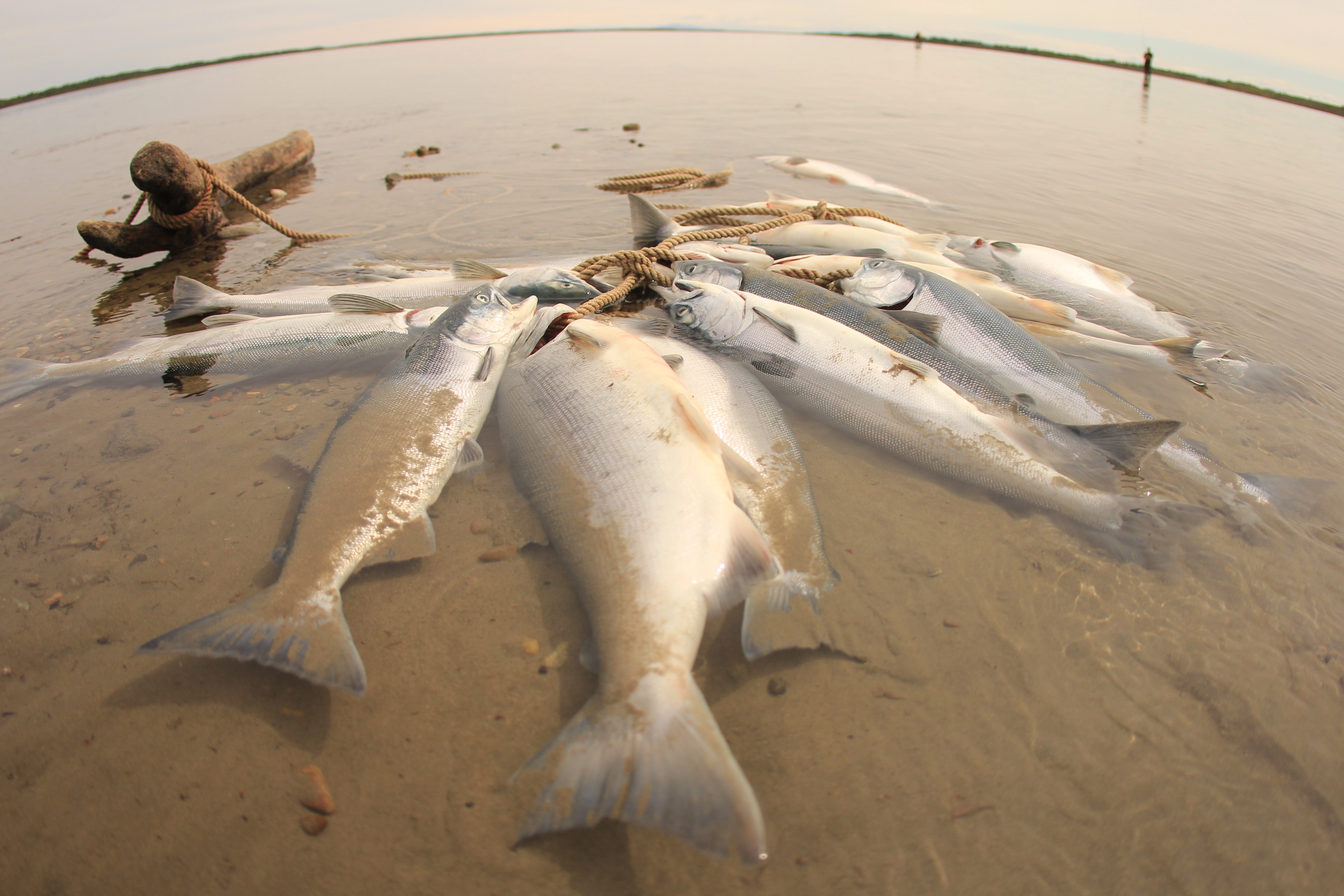
Sockeye salmon are the most abundant and popular sport fish on the Kenai Peninsula. Renowned for their incredible fight and high culinary quality, sockeye return in millions during the peak summer weeks.
Timing & Migration: Sockeye salmon begin entering the Kenai and Kasilof rivers in mid-June. The Kasilof River run peaks slightly earlier, typically between June 20 and July 10. The major Kenai River late-run sockeye enter in huge pulses between July 10 and July 25, moving rapidly upriver toward Soldotna and the middle river sections.
Daily Limits: The standard regulatory limit in the Kenai River is 3 sockeye per day, with 6 in possession. During periods of massive run strength, if sonar counts at the River Mile 19 counting station exceed specific escapement targets, ADF&G may issue in-season emergency orders liberalizing limits to 6 per day / 12 in possession. Anglers must check ADF&G daily bulletins to confirm the current bag limits before fishing.
Silver Salmon (Coho) — Fall Action
Silver salmon represent the pinnacle of late-summer and autumn angling. Known for their acrobatic aerial leaps and aggressive strikes, Coho enter the river fresh from the salt, often with sea lice still attached.
Timing & Peaks: The early run of Kenai silvers starts entering the system in late July, peaking around mid-August. The second, typically larger run starts in late August and peaks through mid-to-late September, with quality fishing extending well into October in the middle and upper river stretches.
Limits & Regulations: In the Kenai River, from July 1 through August 31, the daily bag and possession limit is 2 Silver salmon. From September 1 through November 30, the daily bag and possession limit increases to 3 Silver salmon.
Pink & Chum Salmon — Secondary Runs
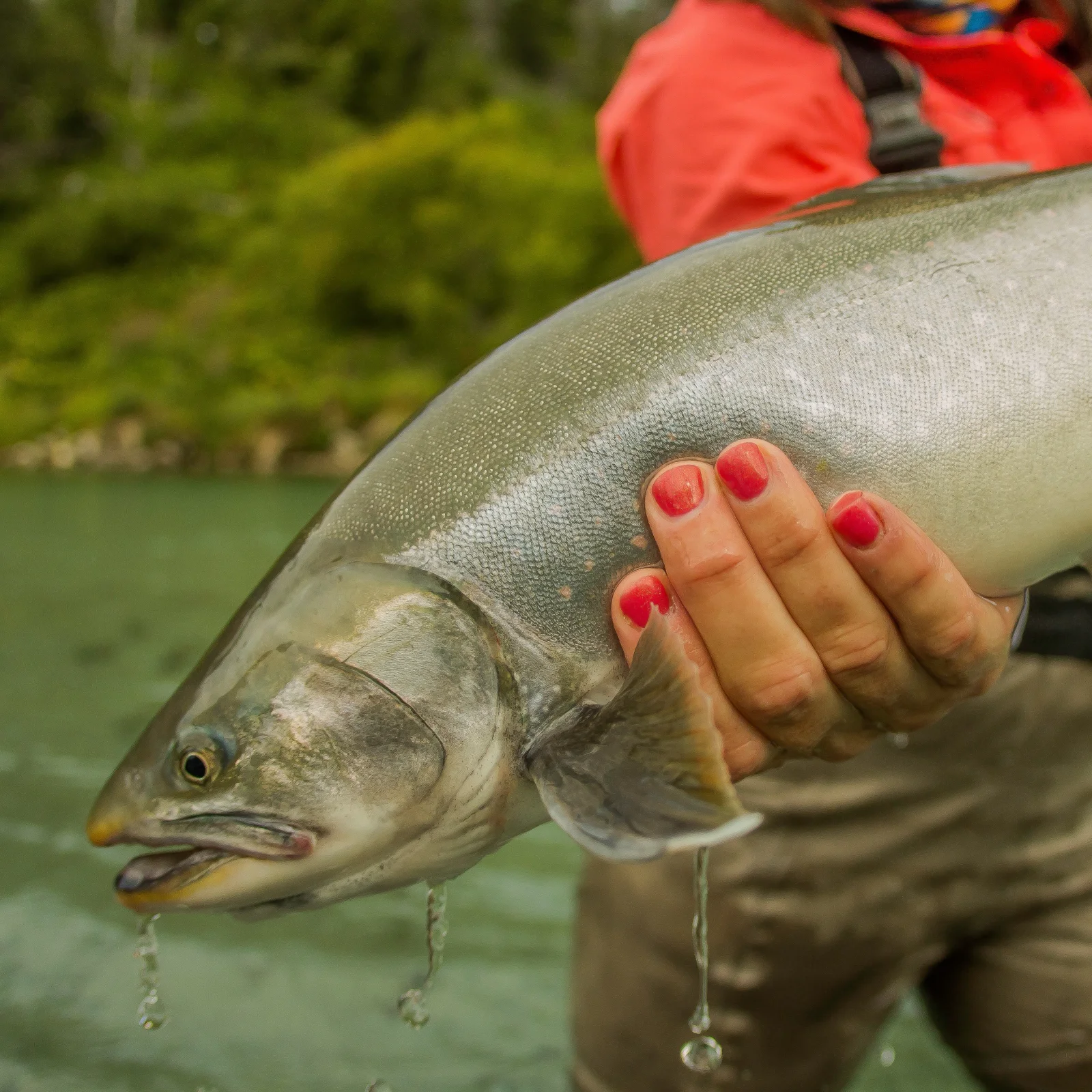
Pink Salmon (Humpy): Pink salmon return to the Kenai River in massive numbers during even-numbered years (e.g., 2024, 2026). While they provide high-volume action for kids and beginners, they are generally not targeted by experienced anglers due to their fast deterioration in freshwater.
Chum Salmon (Dog): Chum salmon enter the Kenai in secondary numbers compared to Sockeye. They peak in late July and August, offering a powerful, hard-fighting alternative on lighter rods. Chum salmon are highly valued for smoking.
Understanding ADF&G Sonar Counts & USGS Data
ADF&G manages salmon runs using specialized sonar counting stations to measure daily passage:
- Kenai River Sockeye: Monitored at the River Mile 19 Sonar station in Soldotna.
- Kenai River King Salmon: Monitored at the River Mile 14 ARIS Sonar station.
- Kasilof River Sockeye: Monitored at the River Mile 8 Sonar station.
- Russian River Sockeye: Monitored via physical weir counts at the Russian River weir.
USGS Soldotna Gauge: Real-time river flow is measured by the USGS Soldotna gauge, which tracks water temperature, discharge rate (CFS), and gage height. Note: The USGS Soldotna gauge does not measure water clarity or turbidity.
2026 Sport Fishing Licensing & Stamps
Sport fishing legally in Alaska requires all anglers to obtain a valid license and the necessary stamps. Under State of Alaska law, each angler is solely responsible for obtaining their licenses and remaining compliant with ADF&G rules.
Alaska Residents
A sport fishing license is required for all residents age 18 or older. The annual resident sport fishing license fee is $20. A resident King Salmon stamp is $10 and is required when targeting Kings.
Nonresidents
A sport fishing license is required for all nonresidents age 16 or older. Nonresident fees are: 1-Day ($15), 3-Day ($30), 7-Day ($45), 14-Day ($75), and Annual ($100). King stamps range from $15 to $100.
King Salmon Stamp Requirement: A King Salmon stamp is required to fish for or target King Salmon, including catch-and-release fishing.
Charter Halibut Stamp: Nonresidents age 18 or older retaining halibut on a guided charter must possess a $20 Charter Halibut Stamp, which is purchased by the angler and logged by the charter operator.
Frequently Asked Questions
Are 2026 regulations final?
Yes, the standard 2026 sport fishing regulations are final. However, ADF&G constantly issues real-time emergency orders that can restrict, close, or liberalize specific fisheries based on actual fish counts. Anglers are responsible for checking active emergency orders before going on the water.
Can my guide purchase my license for me?
No. Guides cannot purchase licenses or stamps on behalf of guests. Each angler must purchase their own license, either online via the ADF&G store or from a licensed local vendor on the Kenai Peninsula, and carry it (printed or signed digital copy) while fishing.
How can I check river conditions?
You can check the USGS Soldotna gauge for temperature, flow volume in CFS, and gage height. To check water clarity, you must look at local guide reports or physical observations, as water clarity is not measured by the USGS Soldotna gauge.
Book Your 2026 Guided Trip
Our experienced local guides are booking sockeye, silver, and fall trout trips. We operate in strict compliance with all ADF&G conservation rules to protect these beautiful ecosystems.
Book Now