

Species Biology, Habitat Data & Alaska Distribution
Is Halibut Saltwater or Freshwater?
Species Desk
Pacific Halibut: Strictly Saltwater — Full Species Profile
Is halibut freshwater or saltwater? Saltwater. Pacific halibut (Hippoglossus stenolepis) is an obligate marine species — it cannot tolerate freshwater and has no anadromous phase. Every stage of its lifecycle occurs in the ocean. Here's the full biological profile.
Pacific Halibut Habitat Data
- Classification: Marine teleost, family Pleuronectidae (right-eye flounders)
- Salinity requirement: ~30–35 ppt (full seawater); cannot survive in brackish or freshwater environments
- Depth range: 20–3,600 feet; sport fishing concentrates at 100–400 feet
- Temperature preference: 35–46°F; follows thermal gradients seasonally
- Spawning: Deep water, 600–1,500 feet depth, November–February in the North Pacific and Bering Sea
- Nursery habitat: Shallow (<150 ft) nearshore areas; juveniles settle on sandy substrate
Geographic Distribution in Alaska Waters
- Cook Inlet: Primary sport fishing grounds for Homer and Kenai Peninsula charters
- Gulf of Alaska: Seward, Kodiak, Valdez access points; highest trophy-class concentrations
- Southeast Alaska: Juneau, Ketchikan, Sitka — year-round populations
- Bering Sea: Commercial fishing grounds; limited sport access
How Halibut and Salmon Coexist in the Alaska Ecosystem
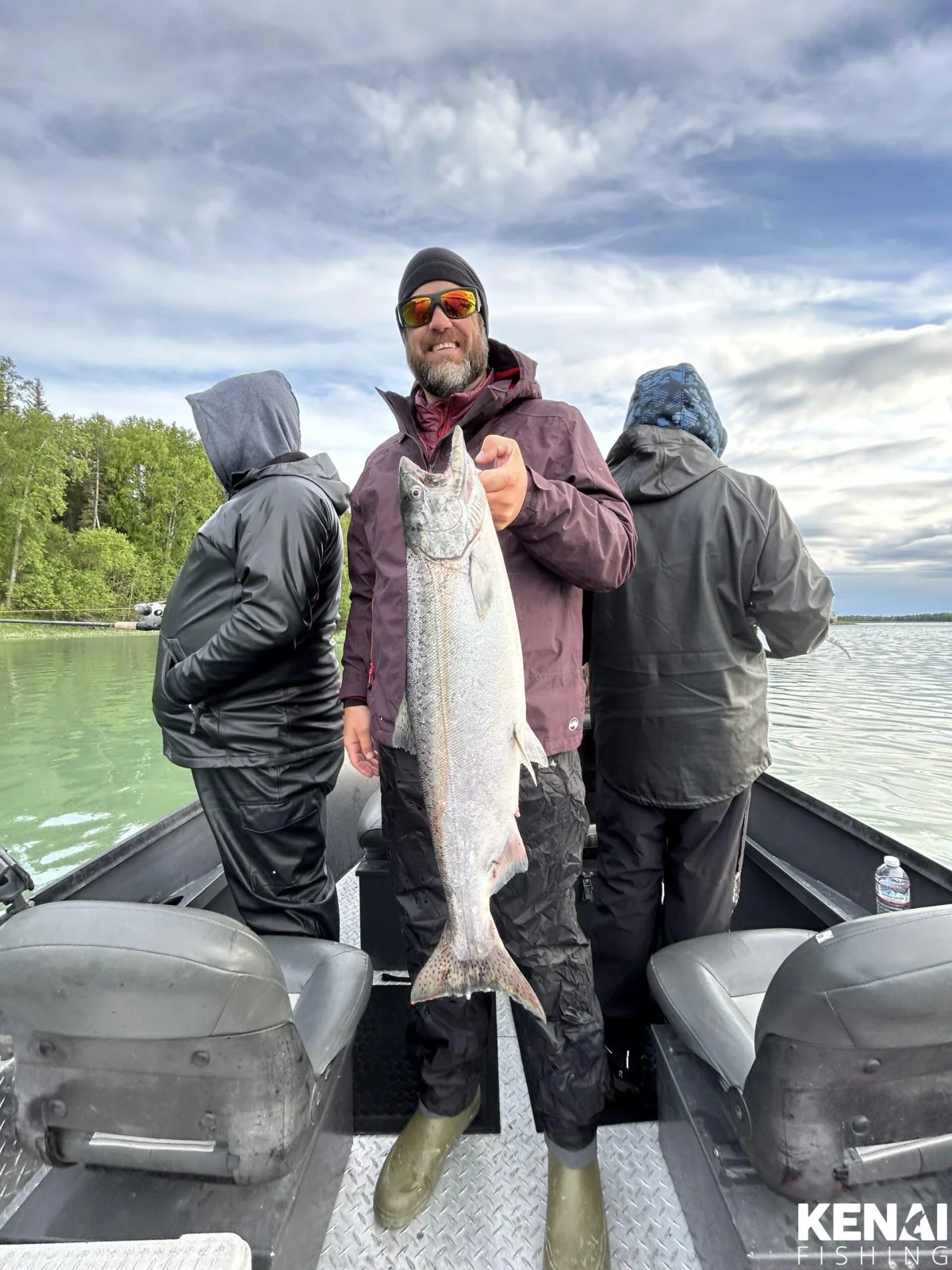
Alaska's Kenai Peninsula is unusual in having both world-class freshwater salmon fishing (Kenai River, Kasilof River) and world-class saltwater halibut fishing (Cook Inlet out of Homer) within 75 miles of each other. Salmon are anadromous — born in freshwater rivers, maturing in the ocean, returning to spawn. Halibut are fully marine. The two species never share habitat but share the same angler demand on the Kenai Peninsula.