
Campfire Salmon
Cooking Kenai Salmon Over a Campfire: What Actually Works
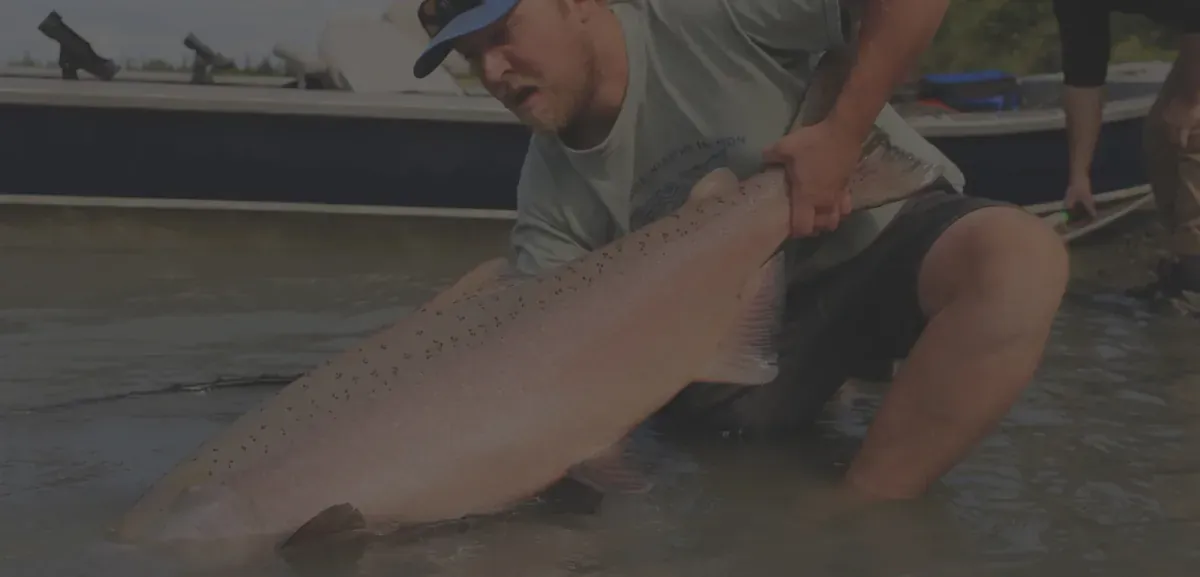
Fresh Kenai River salmon — pulled from the water hours ago — doesn't need much. The fat content in a July Sockeye or a 60-lb King is extraordinary compared to farmed fish. Your goal at the campfire is simple: apply heat evenly, don't overcook it, and let the fish carry the flavor.
These are the methods that work on the Kenai Peninsula with what you actually have: a campfire, basic gear from your kit, and the freshest salmon in the world.
Method 1: Foil Pack (The Reliable Field Method)
This is the most reliable campfire method because it controls moisture and prevents burning. Works with any species.
- Prep: Cut fillet into 6–8 oz portions. Lay on a double sheet of heavy-duty foil.
- Season: Butter or olive oil, salt, pepper, lemon slices, fresh dill if you have it. Garlic optional.
- Seal: Fold foil tightly — no gaps. Steam does the work.
- Cook: Place directly on medium coals (not flames) for 10–12 minutes. Do not flip.
- Done when: Fish flakes easily with a fork at the thickest point. Internal temp 125–130°F for medium; 145°F for fully cooked.
Kenai note: Sockeye runs lean compared to King. At 10 minutes it's perfect. Kings need 12–14 minutes for the same thickness due to higher fat content.
Method 2: Cedar Plank Over Coals
Classic Pacific Northwest technique that works beautifully with Kenai Sockeye. The cedar imparts a mild smokiness without overpowering the fish.
- Plank prep: Soak untreated cedar plank in water 1–2 hours before cooking. River water works fine.
- Setup: Place soaked plank on grill grate over medium-hot fire. Heat plank for 5 minutes until it starts to smoke.
- Cook: Place seasoned fillet skin-side down on plank. Cover with foil tent. Cook 15–18 minutes without flipping.
- Done when: Flesh is opaque and separates into flakes. Slight translucency at center is fine — carryover heat finishes it.
Method 3: Direct Grill on a Grate
Fastest method. Best results with skin-on fillets — the skin acts as a natural barrier.
- Fire prep: Wait for coals — no open flames. Grate should be hot enough that water droplets bounce off it.
- Oil the grate: Use a folded paper towel dipped in oil on tongs. This prevents sticking.
- Cook skin-side down first: 5–6 minutes, do not move it. The skin will release naturally when ready.
- Flip once: 3–4 minutes flesh-side down. Watch closely — this side browns fast.
- Rest 2 minutes before serving.
Species-Specific Notes
- King (Chinook): Highest fat content — can handle more heat and time. Rich, buttery flavor needs minimal seasoning. Salt and lemon only is correct.
- Sockeye (Red): Denser, leaner than King. Bright red flesh. Cooks faster — watch the 10-minute mark closely. Excellent with dill and capers.
- Silver (Coho): Middle ground. Mild flavor, firm texture. Takes seasoning well — garlic butter is ideal.
- Pink (Humpy): Lowest fat. Best in foil pack with added butter to compensate. Don't grill direct — it dries out fast.
What You Don't Need
Skip the marinades, heavy spices, and complex sauces. Kenai salmon — especially July Sockeye — has a flavor profile that most farmed fish never achieves. Overcooking and over-seasoning are the only ways to ruin it. The campfire adds all the smoke character you need.