
Encounter Protocols for Kenai Peninsula Anglers
Bear Safety on the Kenai
Conditions Desk
Bears on the Kenai: What Every Angler Needs to Know
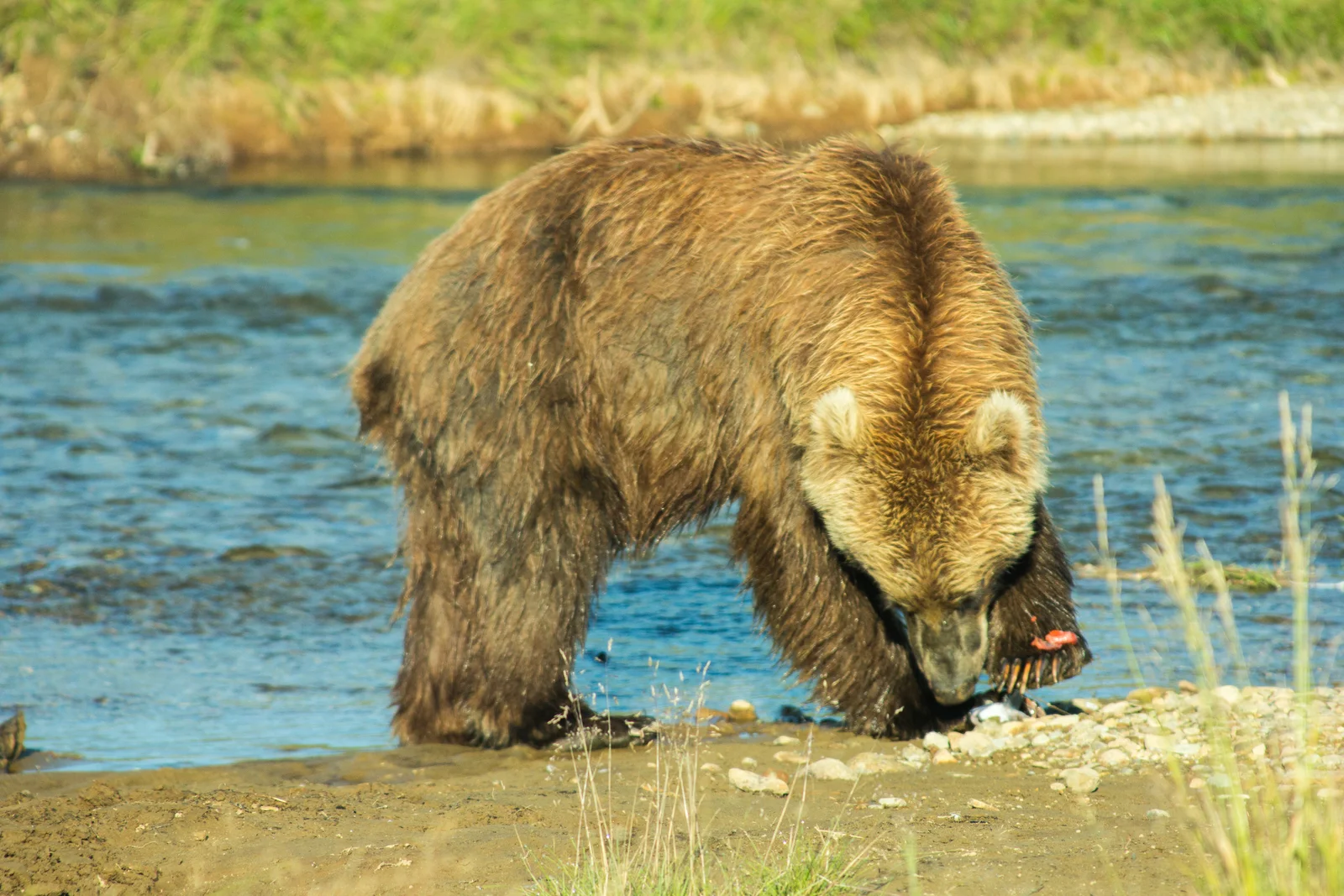
The Kenai Peninsula has one of the highest densities of brown bears in Alaska. During salmon runs, they fish the same rivers you do — the Russian River, the Kenai, the Kasilof. You will see bears. Most encounters are non-events. The ones that go wrong follow predictable patterns that are almost always preventable.
Species on the Kenai Peninsula
- Brown bear (Ursus arctos): Dominant predator. Kenai Peninsula subspecies. Males average 400–700 lbs. Concentrated near salmon rivers July–September. Treat all encounters as potentially dangerous.
- Black bear (Ursus americanus): More common but smaller and generally less aggressive. Still dangerous — particularly sows with cubs or food-habituated individuals near campgrounds and fish-cleaning stations.
Before You Start Fishing
- Carry bear spray. Not optional on the Kenai Peninsula. Frontiersman or Counter Assault brands, minimum 7.9 oz canister, minimum 1% capsaicin. Holster it on your hip — not in your pack. You need it in under 3 seconds.
- Make noise on approach. Bears surprised at close range are dangerous bears. Talk, clap, or use a bear bell when walking trails to fishing access points, especially in heavy brush near the Russian River Falls area.
- Check for fresh sign. Fresh tracks, scat with fish remains, disturbed vegetation, or the distinct smell of rotting fish/musky animal are indicators that bears are actively using the area.
While Fishing
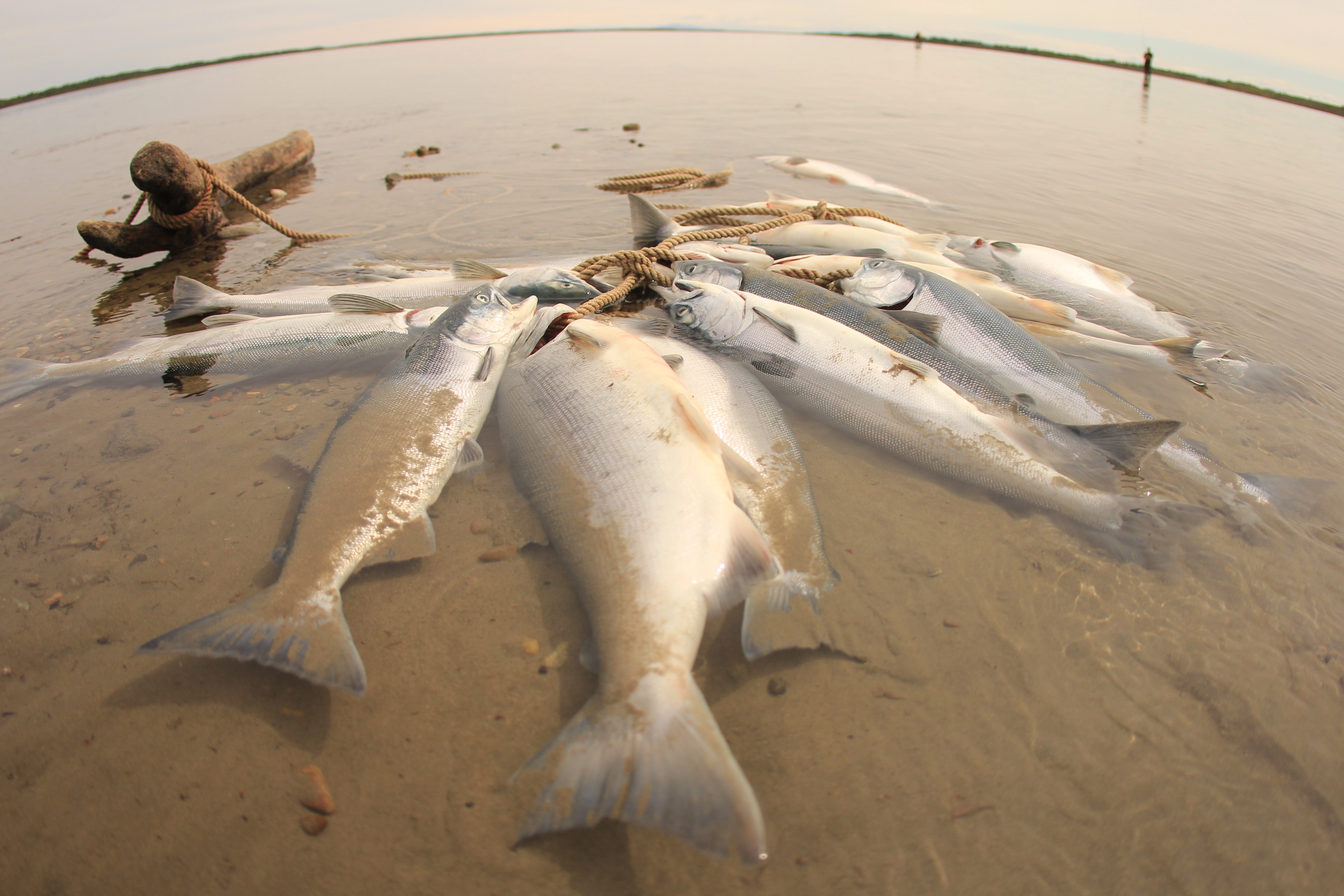
- Don't leave fish on the bank. A stringer of Sockeye on the bank is a bear attractant. Keep fish in the water or in a closed cooler. Never leave fish unattended on shore.
- Clean fish at designated stations. The Russian River area has designated fish-cleaning stations specifically to concentrate bear-attracting fish waste away from the main fishing areas. Use them.
- Stay aware of your surroundings. When you're focused on a fish on the line, your situational awareness drops. Fish with a partner when possible, particularly in brushy areas with limited sight lines.
- Never get between a sow and her cubs. This is the highest-risk scenario on the Kenai. If you see cubs, scan immediately for the sow. Back away slowly and give maximum distance.
If a Bear Approaches
- Stand your ground — do not run. Running triggers chase instinct. Even a brown bear at 35 mph can close 50 yards before you take two steps.
- Identify yourself as human. Speak calmly in a low voice. Bears have poor eyesight — let it know you're not prey.
- Deploy bear spray at 30–60 feet. Aim slightly downward into the approaching bear's face. The spray creates a cloud the bear runs through. Most charges stop.
- If contact occurs — brown bear: Play dead. Face down, hands laced behind neck, elbows protecting face. Spread your legs to make it harder to flip you. Stay down until the bear leaves the area completely.
- If contact occurs — black bear: Fight back. Black bear attacks are usually predatory — playing dead makes you easier prey. Target the eyes and nose.
Russian River Confluence: Special Advisory
The Russian River confluence with the Kenai (accessible via the Russian River Ferry) has some of the highest bear-human interaction rates in Alaska during the Sockeye runs. ADF&G and USFWS rangers are typically present, but the density of both fish and bears creates close encounters daily. Fish in groups, maintain awareness, and follow ranger instructions.