
Alaska Salmon Spawning Lifecycle
Pacific Salmon Spawning Lifecycle: What Every Kenai Angler Should Know
Understanding the salmon lifecycle explains everything about why fish are where they are, when they bite, and why regulations exist as they do. The Kenai River is a spawning system — you are fishing fish that have returned from the ocean to complete the final act of their life.
Stage 1: Egg & Alevin (Freshwater)
Female salmon excavate a redd (nest) in clean, gravel streambed. They deposit 2,000–10,000 eggs (depending on species), which the male fertilizes. Eggs incubate in the gravel 6–12 weeks, oxygenated by groundwater percolating through the substrate. Alevins (newly hatched fish with yolk sacs attached) remain in the gravel for several more weeks until the yolk sac is absorbed.
Stage 2: Fry & Smolt (Freshwater to Ocean)
Fry emerge from gravel and begin feeding. Species differ dramatically here:
- King (Chinook): Some fry migrate to sea immediately after emergence; others spend 1–2 years in freshwater first. Kenai Kings spend approximately 1 year in freshwater.
- Sockeye (Red): Fry migrate to natal lakes (Skilak, Tustumena) and spend 1–3 years feeding in the lake before smolting and migrating to the ocean.
- Silver (Coho): Spend 1–2 years in freshwater before smolting.
Smolts undergo physiological changes (smoltification) that allow them to transition from freshwater to saltwater. They migrate downstream to Cook Inlet, then into the Gulf of Alaska.
Stage 3: Ocean Phase
Salmon grow rapidly in the North Pacific, feeding on herring, squid, and krill. Ocean residence varies by species:
- Pink (Humpy): 18 months — returns as a 2-year-old. Smallest of the five species.
- Sockeye: 2–3 years ocean residence. Returns at 4–5 years total age.
- Silver: 1.5 years ocean. Returns at 3–4 years total age.
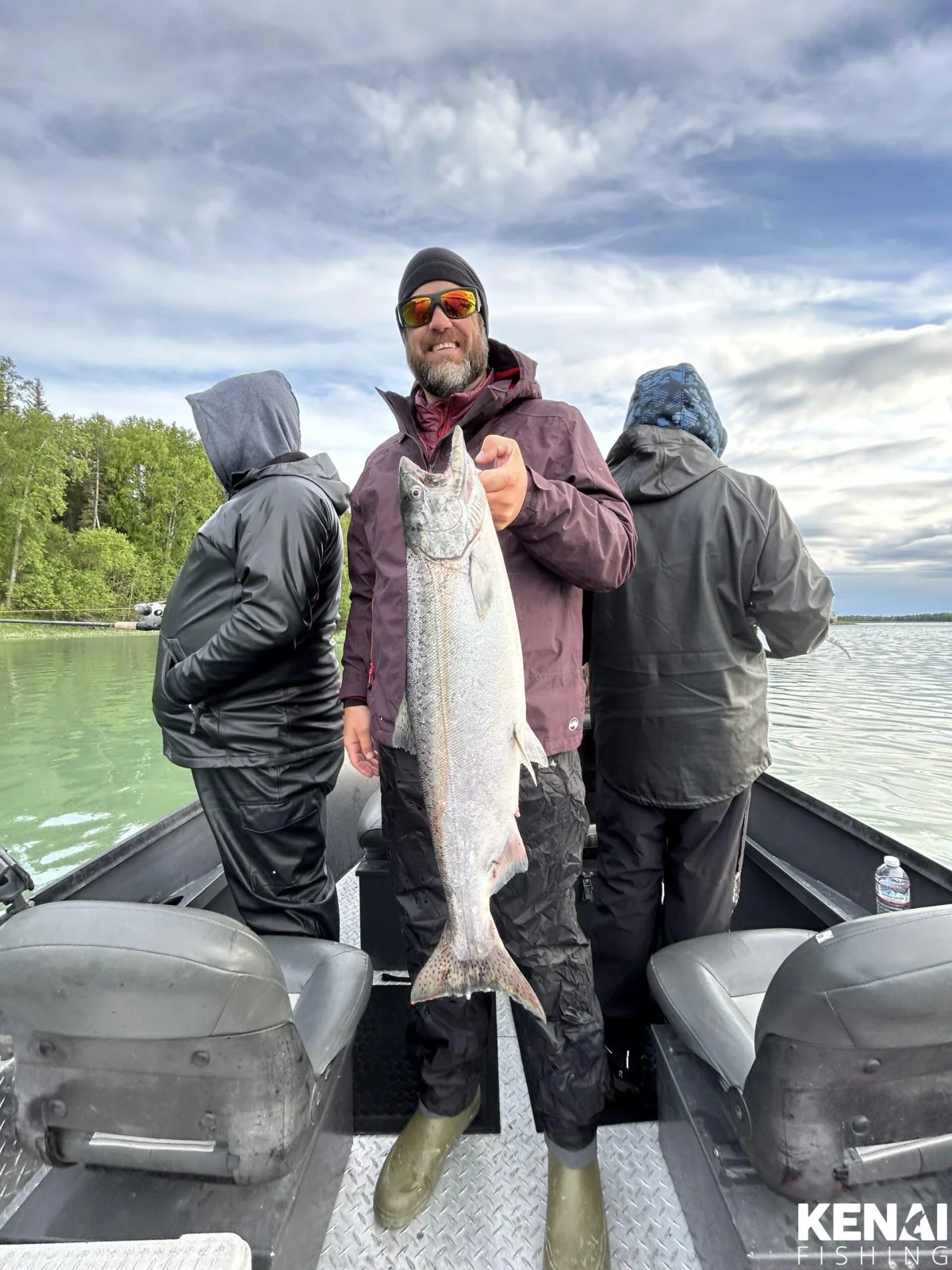
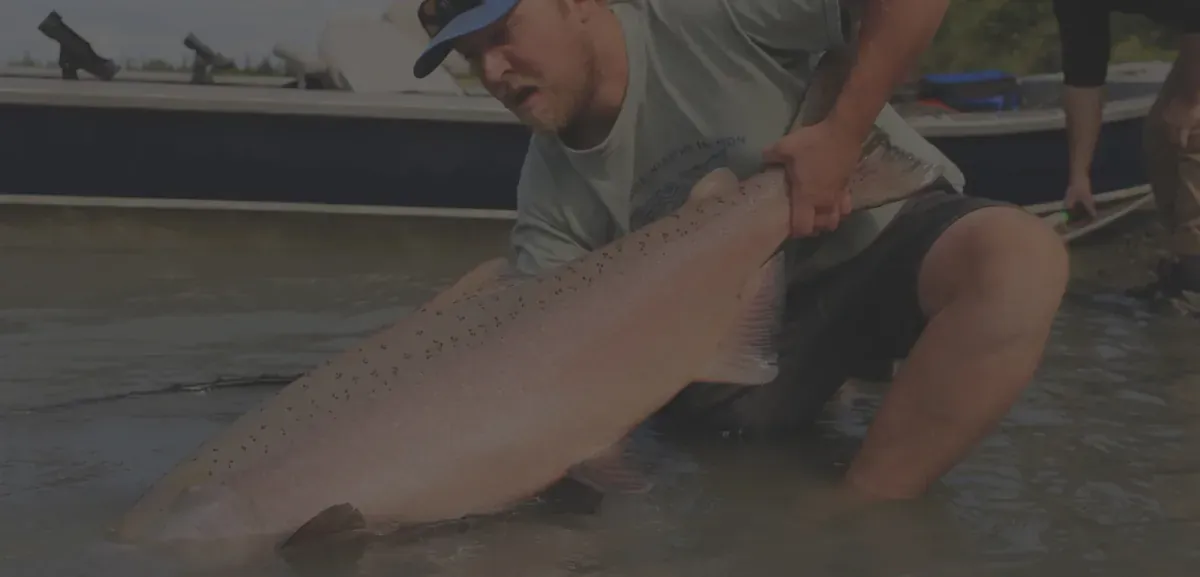
- King: 2–5 years ocean. Trophy Kenai Kings are often 6-year-old fish — 5 years in the ocean.
Stage 4: Return Migration
Adult salmon stop feeding upon entering freshwater. They navigate from the Gulf of Alaska to Cook Inlet and into the Kenai River using a combination of magnetic field orientation, celestial cues, and olfactory homing — they smell their natal river and follow it home with extraordinary precision. Fish returning to Kenai tributaries (Russian River, Funny River) pass through the main stem and enter their specific tributary within days of returning to the system.
Stage 5: Spawning & Senescence
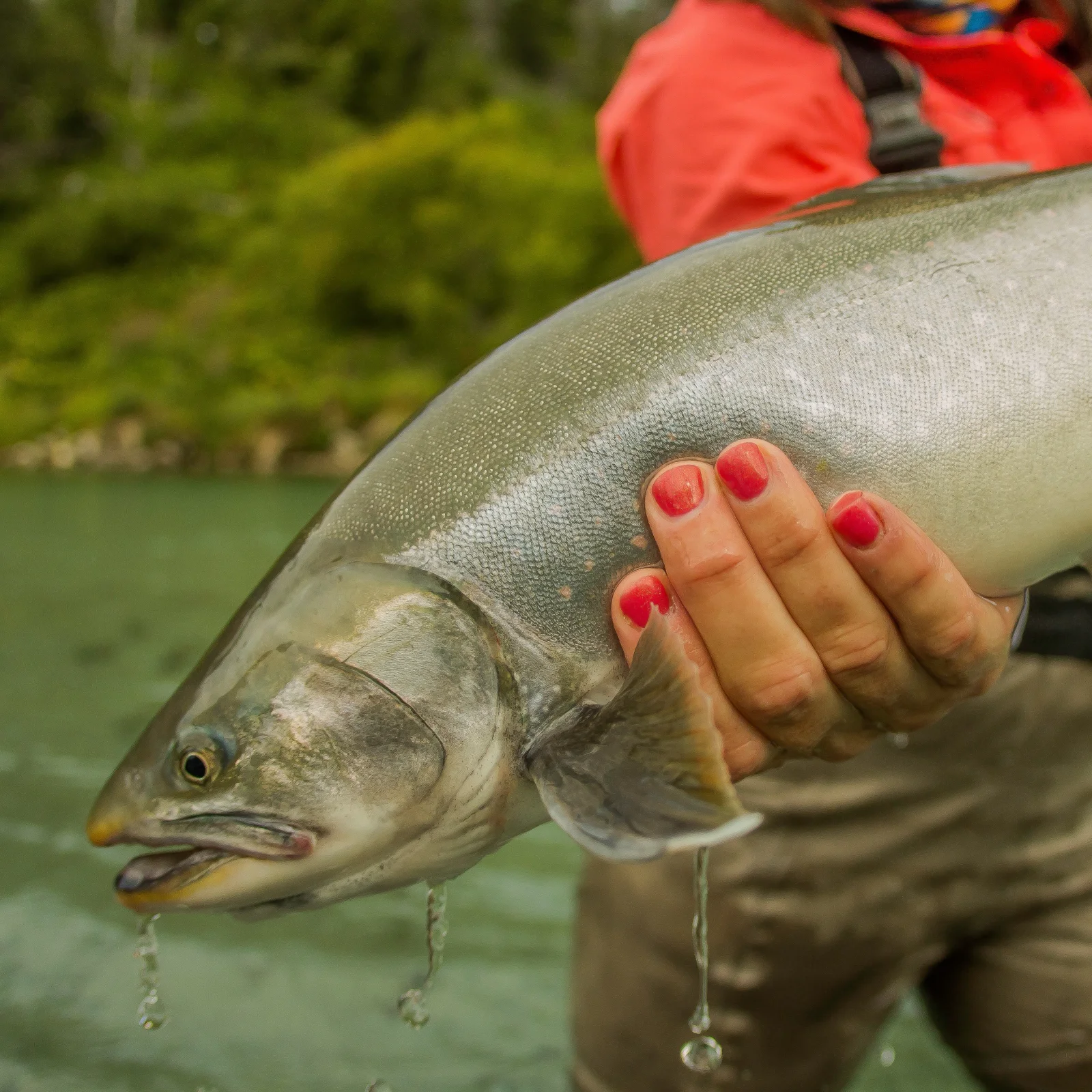
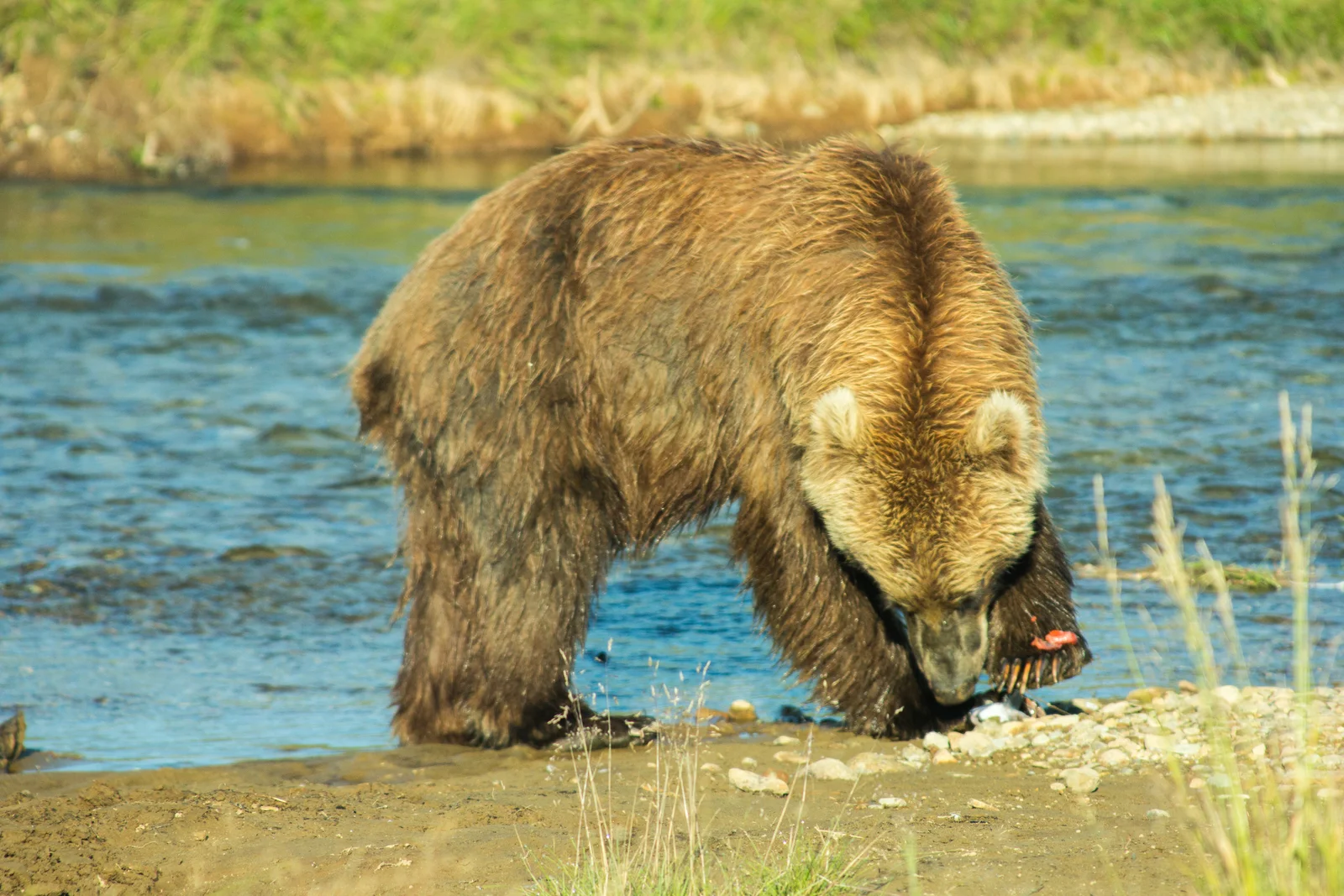
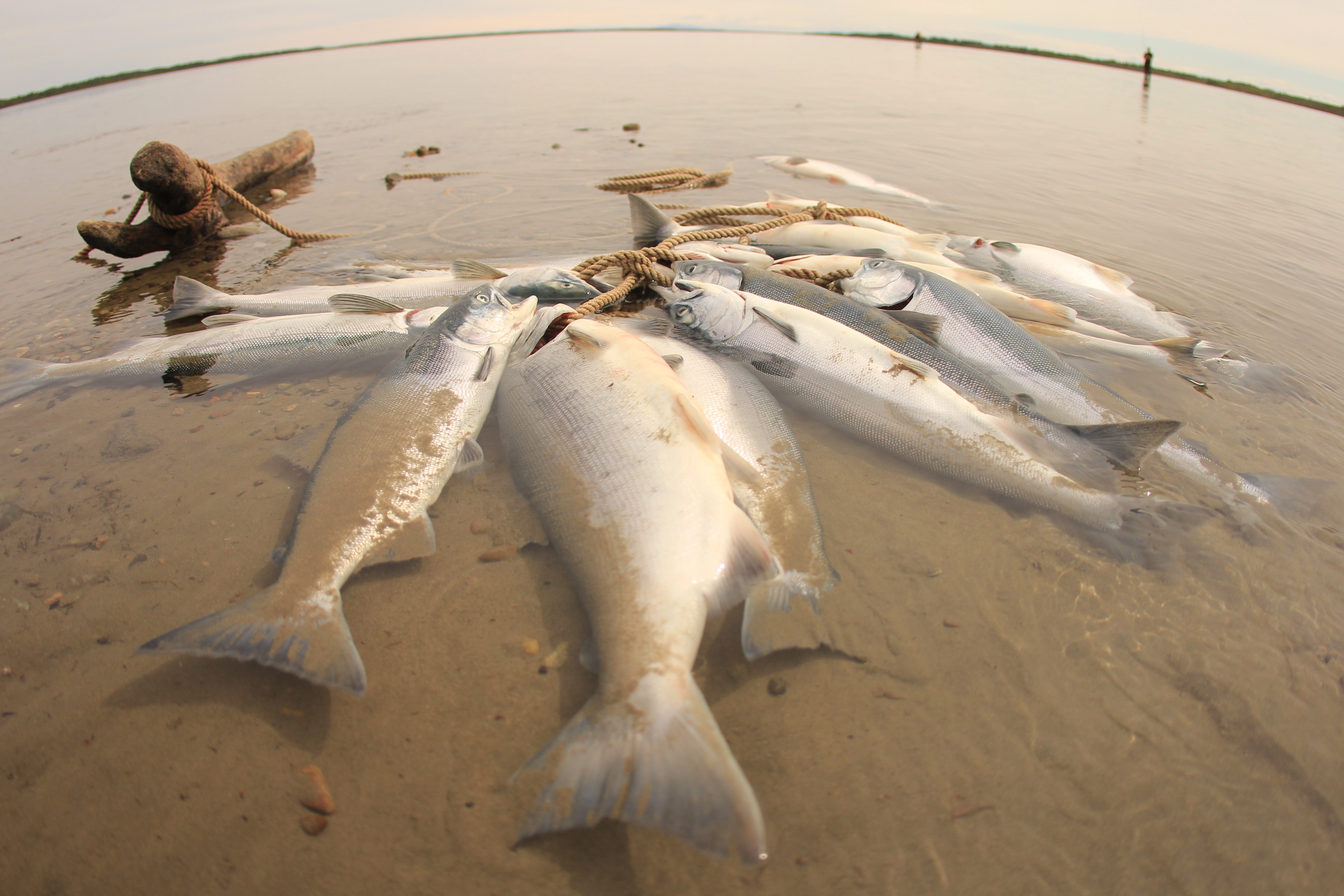
Males develop hooked jaws (kype) and both sexes develop spawning colors. Sockeye turn brilliant red. Kings develop dark blotching. They pair, spawn, and die — typically within days of completing spawning. Their carcasses enrich the riparian ecosystem with marine-derived nutrients, feeding bears, eagles, and ultimately the next generation of juvenile salmon. The Kenai's nutrient density is directly tied to its salmon returns.
Why This Matters for Fishing
Salmon do not feed in freshwater. Their bite response is territorial aggression, reflexive reaction, or instinctive strike — not hunger. This explains why presentation and position matter far more than bait selection. You're triggering a response in a fish that is physiologically not interested in eating.